There's something almost rebellious happening in British wardrobes, and it's got nothing to do with ripped jeans or statement sleeves. Instead, it's about the quiet revolution of patience – the growing number of us who are choosing to wait weeks, sometimes months, for a single piece of clothing.
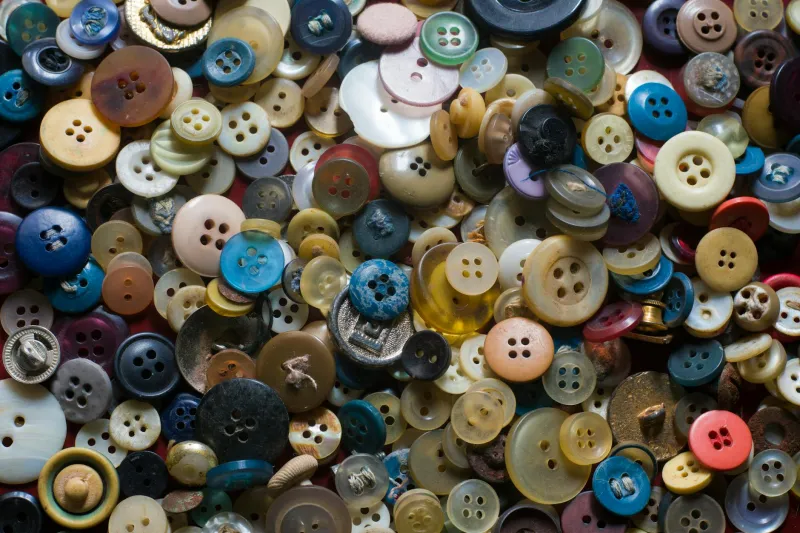
Meet Sarah Chen, a marketing executive from Brighton who recently commissioned her first handmade coat from a Norfolk-based maker. "When I told my friends I was waiting eight weeks for a coat, they looked at me like I'd lost my mind," she laughs. "But honestly? Those eight weeks were magical. I'd get little updates from the maker, photos of the fabric being cut, the buttons being sewn on. By the time it arrived, I felt like I'd been part of creating something beautiful."
The Psychology of Precious Things
Sarah's experience isn't unusual. Across Britain, there's a growing movement of fashion lovers who are discovering that anticipation, far from being a frustration, has become part of the pleasure. Dr Emma Williams, a consumer psychologist at the University of Bath, suggests this shift reflects a deeper change in how we value things.
"When we wait for something, we invest emotionally in it," she explains. "The anticipation builds attachment. By the time a made-to-order piece arrives, it's not just clothing – it's the culmination of a relationship between maker and buyer."
This emotional investment is exactly what makers like Rosie Fletcher from Yorkshire's Dales have noticed. Rosie, who creates bespoke knitwear from her converted barn studio, has a waiting list that stretches four months ahead. "My customers aren't just buying a jumper," she says, "they're buying into a story. They know their wool came from the sheep in the field next door, they've seen photos of their piece being knitted row by row. When it finally arrives, it feels like coming home."
The Ritual of Commissioning
What's particularly fascinating about this trend is how the process itself has become part of the appeal. Unlike clicking 'add to basket' and forgetting about a purchase until it arrives, commissioning handmade fashion involves a series of meaningful interactions.
Take Lucy Morrison, a textile artist based in the Scottish Borders, who creates hand-woven scarves and wraps. Her process begins with a conversation – sometimes over tea in her studio, sometimes through carefully crafted emails where customers describe not just what they want, but how they want to feel wearing it.
"One customer told me she wanted something that felt like being hugged by her grandmother," Lucy recalls. "We spent weeks choosing the perfect combination of mohair and merino, the exact shade of blue that reminded her of her nan's favourite cardigan. When she finally wore it, she cried. That's not something you get from fast fashion."
The Instagram Generation Learns to Wait
Perhaps most surprising is how younger buyers, supposedly the most impatient generation, are embracing this slower approach to fashion. Twenty-four-year-old James Parker from Manchester recently commissioned his first handmade suit from a tailor in Savile Row's younger sibling streets.
"My mates thought I was mad spending that much and waiting three months," he admits. "But the whole experience was incredible. The fittings, the conversations about fabric and cut, watching it come together – it made me realise how disconnected I'd become from my clothes. Now I know exactly how every seam was sewn, why certain choices were made. It's not just a suit, it's my suit."
The Makers' Perspective: Quality Over Quantity
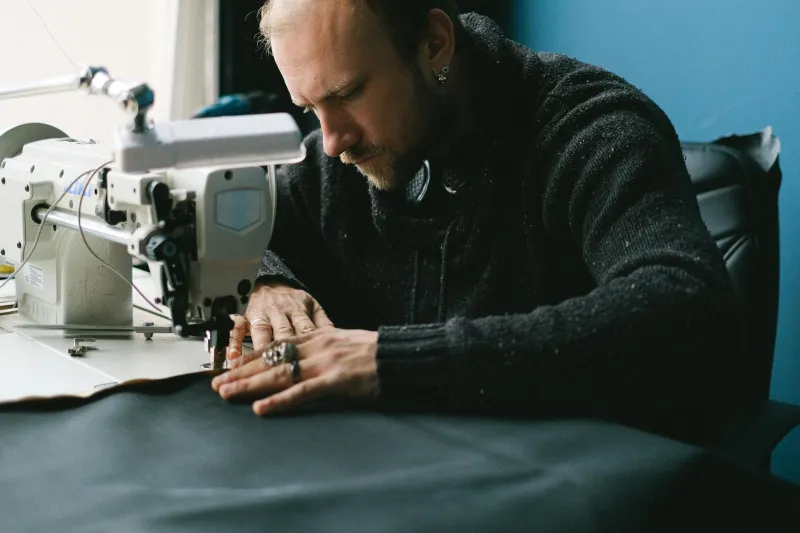
For the artisans themselves, the waiting list culture represents validation of their craft in ways that go beyond financial success. Tom Richards, who creates handmade leather bags from his workshop in Wales, describes how his customers' patience allows him to maintain the standards that drew them to his work in the first place.
"When someone's willing to wait twelve weeks for a bag, I know they understand what goes into it," he explains. "Every stitch is considered, every piece of leather is chosen for its character. That kind of time investment from customers gives me permission to be truly obsessive about quality."
The Ripple Effect: Changing How We Shop
This shift towards made-to-order fashion is creating ripple effects throughout how British consumers approach shopping. Many report that commissioning handmade pieces has made them more thoughtful about all their purchases.
"Once you've experienced having something made just for you, fast fashion feels hollow," reflects Sarah from Brighton. "I find myself asking different questions now: Who made this? How long will it last? Will I still love it in five years?"
The Future of Fashion Patience
As waiting lists for Britain's most sought-after makers stretch longer, there's no sign that demand is cooling. If anything, the exclusivity of patience seems to be adding to the appeal.
Rosie Fletcher has noticed this phenomenon firsthand: "I get emails from people saying they're excited to join my waiting list. Not disappointed – excited. They're planning their commission months ahead, saving up not just money but emotional energy for something really special."
Finding Your Own Made-to-Order Journey
For those tempted to join this quiet revolution, makers suggest starting small. A handmade scarf or simple bag can be a gentle introduction to the world of commissioning, allowing you to experience the joy of anticipation without the investment of a major piece.
What's clear is that this isn't just a trend – it's a fundamental shift in values. In choosing to wait, British fashion lovers aren't just buying clothes; they're buying into a philosophy that says the best things in life are worth waiting for, that true luxury lies not in having everything immediately, but in having something made with love, patience, and extraordinary care.
As Tom from Wales puts it: "When someone trusts me with twelve weeks of their time, I'm not just making them a bag. I'm making them something that will carry their stories for decades to come. That's worth waiting for."