When Memory Meets Fragrance
There's something magical about stepping into Sarah Chen's workshop in the Cotswolds. The air carries whispers of wild honeysuckle, damp earth after summer rain, and something indefinably nostalgic that makes you think of childhood holidays. Sarah is one of Britain's growing tribe of artisan fragrance makers, and her mission isn't to create the next bestselling perfume – it's to bottle the essence of what makes us feel most at home.
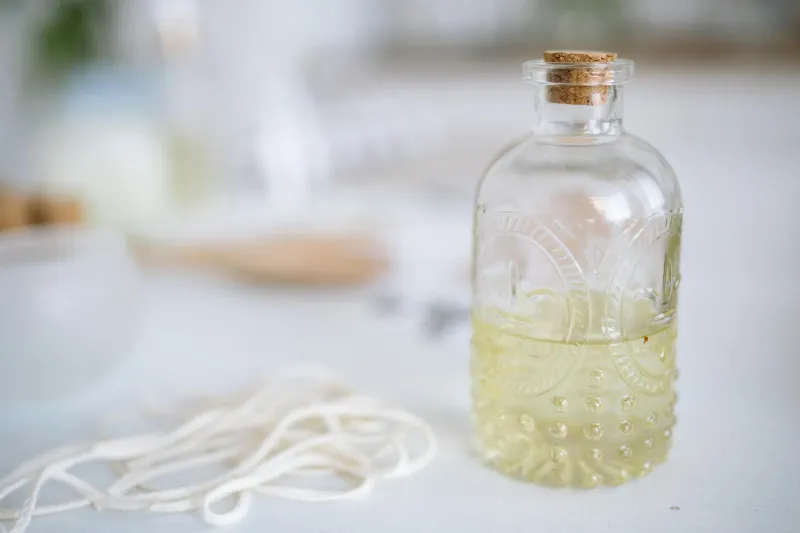
"I started making candles because I wanted to capture the smell of my nan's house," Sarah explains, carefully measuring essential oils at her wooden workbench. "You know that particular combination of lavender polish, baking bread, and old wool? I couldn't find it anywhere, so I had to create it myself."
What began as a personal quest has blossomed into a business that creates bespoke fragrances for customers seeking to preserve their own precious memories. Sarah's order books are filled with requests that would make a commercial perfumer laugh: the smell of a beloved dog's fur, the particular dampness of a Scottish castle, the exact aroma of fish and chips eaten on Blackpool pier.
The Geography of Scent
Across Britain, makers like Sarah are discovering that our landscapes have their own unique olfactory signatures. In the Scottish Highlands, Edinburgh-based candlemaker James Morrison spends his weekends foraging for the wild herbs and mosses that give his "Highland Morning" blend its distinctive character. His candles don't just smell pleasant – they transport buyers straight to a misty glen at sunrise.
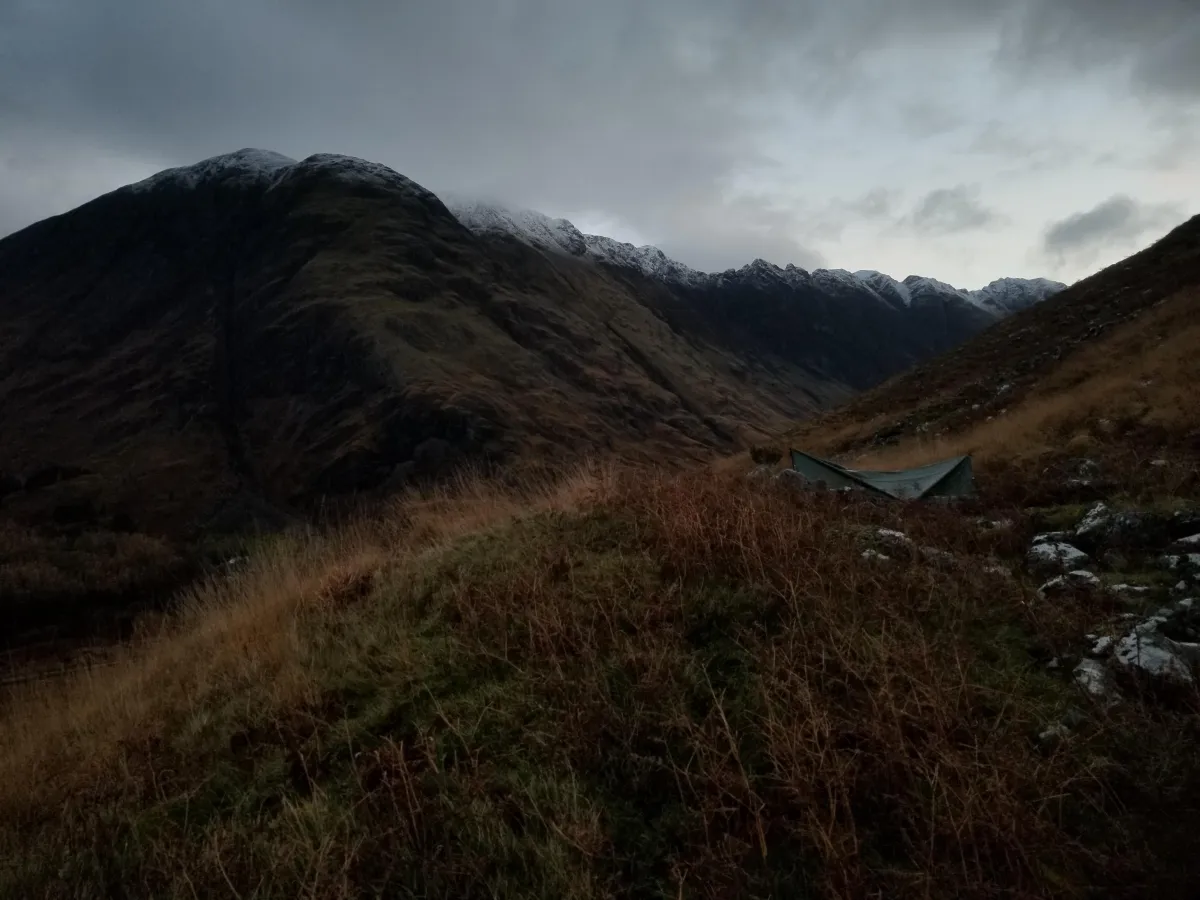 Photo: Scottish Highlands, via i.redd.it
"People buy my candles because they want to take a piece of Scotland home with them," James explains. "But it's more than that. Smell is the sense most closely linked to memory. When someone lights my 'Hebridean Shore' candle in their London flat, they're not just enjoying a nice fragrance – they're revisiting their happiest holiday moments."
This understanding of scent as emotional archaeology sets Britain's artisan fragrance makers apart from mass-market alternatives. Where commercial perfumes rely on synthetic compounds and focus on broad appeal, these makers work with natural ingredients sourced from specific places, creating fragrances that tell distinctly British stories.
The Craft of Capturing Feeling
In her Brighton studio, former chef turned perfumer Anna Roberts approaches fragrance creation with the same attention to terroir that wine makers bring to their grapes. Her "Seaside Childhood" collection includes scents inspired by donkey rides on Margate beach, the interior of a vintage ice cream van, and the distinctive smell of seaweed drying on shingle.
"I use real sea salt in my coastal blends," Anna reveals, showing me jars filled with salt collected from different British beaches. "Cornish sea salt smells completely different from salt gathered off the Norfolk coast. These subtle differences matter when you're trying to capture the essence of a specific place."
The process is part chemistry, part archaeology, part pure intuition. Anna might spend months developing a single scent, layering base notes of driftwood and sea grass with middle notes of fish and chips and top notes of coconut sunscreen. The result is a fragrance that doesn't just smell like the seaside – it smells like being seven years old and building sandcastles with your dad.
Beyond Commercial Appeal
What strikes me most about Britain's artisan fragrance community is their complete disregard for conventional market wisdom. These makers aren't trying to create the next bestseller or appeal to the widest possible audience. Instead, they're crafting deeply personal, often uncommercial scents that speak to specific experiences and emotions.
Take Liverpool-based maker David Walsh, whose "Northern Comfort" collection includes a candle that smells like his grandfather's allotment shed – a complex blend of creosote, tomato plants, and pipe tobacco that would never pass focus group testing but sells out every time he makes a batch.
"I get letters from customers saying my candles made them cry," David tells me. "That's when I know I've got it right. A good artisan fragrance should move you, not just smell nice."
The Healing Power of Handmade Scent
Many of these makers have discovered that their work serves a deeper purpose than simple ambiance. Sarah Chen regularly creates memorial candles for families who've lost loved ones, working with them to recreate the unique scent combinations that defined their departed relatives. It's delicate, emotional work that requires equal measures of technical skill and human compassion.
"I made a candle for a woman whose mother had dementia," Sarah recalls. "She wanted to recreate the smell of her mum's kitchen from when she was little – a mixture of baking and the particular soap she used. When we got it right, she sobbed. She said it was like having her mum back for just a moment."
This therapeutic aspect of artisan fragrance making is becoming increasingly recognised. Several NHS trusts now work with local candle makers to create calming scents for patient areas, while hospices commission memorial fragrances to help families process grief.
A Scented Revolution
As Britain's artisan fragrance movement grows, it's creating new conversations about the relationship between scent, memory, and place. These makers are proving that the most powerful fragrances aren't the ones that make you smell expensive – they're the ones that make you feel something real.
In a world increasingly dominated by artificial experiences, there's something revolutionary about makers who insist that our most precious memories deserve to be preserved in wax and wick, in bottles and blends that capture not just how things smell, but how they make us feel.
Next time you catch a whiff of something that transports you instantly to another time and place, remember that somewhere in Britain, there's probably a maker working to bottle that exact feeling – proving that the most beautiful fragrances aren't manufactured, they're remembered.