The First Shade of Everything: When One Colour Becomes a British Maker's Entire Universe
There's something rather magical about watching a maker's face light up when they talk about their signature colour. It's not just a shade they've chosen — it's a piece of their soul made visible, a silent language that speaks before they ever have to say a word about their work.
The Moment Everything Changed
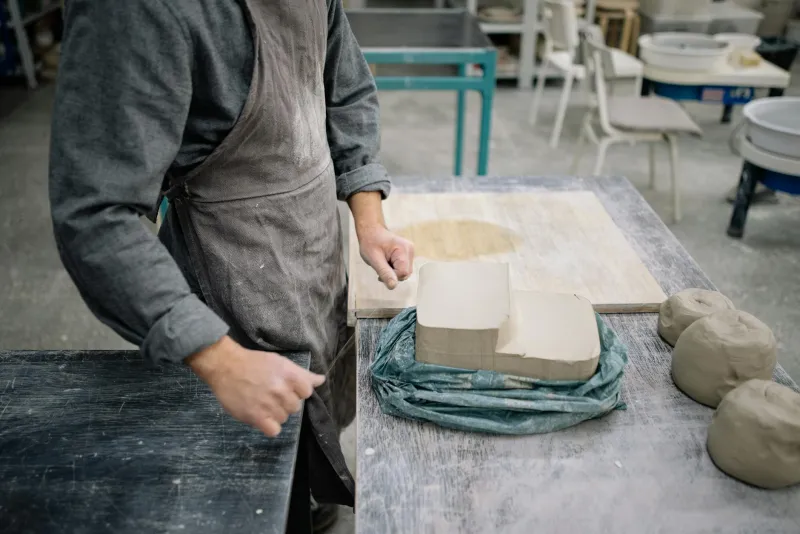
For Sarah Chen, a ceramicist working from her converted barn in the Cotswolds, everything began with disappointment. "I'd been struggling for months to find the right glaze," she recalls, her hands still bearing traces of clay from the morning's work. "Nothing felt authentic to who I was or what I wanted to say through my pottery."
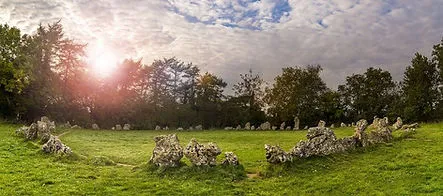 Photo: The Cotswolds, via static.wixstatic.com
Then came the afternoon that changed everything. While clearing out her late grandmother's cottage, Sarah discovered a small dish tucked behind other crockery — a piece glazed in the most extraordinary sage green she'd ever seen. "It was like finding treasure," she says. "That exact shade became my entire brand identity. Every piece I make now carries some element of that green."
This isn't unusual in the world of British makers. Time and again, you'll find artisans whose entire creative universe revolves around a single, deeply personal colour discovery. It might be the particular blue of a childhood bedroom, the warm amber of honey dripping from a Kentish hive, or the soft grey of Scottish morning mist.
When Memory Meets Palette
Colour psychologists tell us that our emotional responses to hues are formed early and run deep, but for Britain's makers, this relationship goes beyond psychology into something approaching reverence. Take Emma Hartwell, whose textile designs have graced everything from Liberty scarves to bespoke wallpaper in some of London's finest hotels.
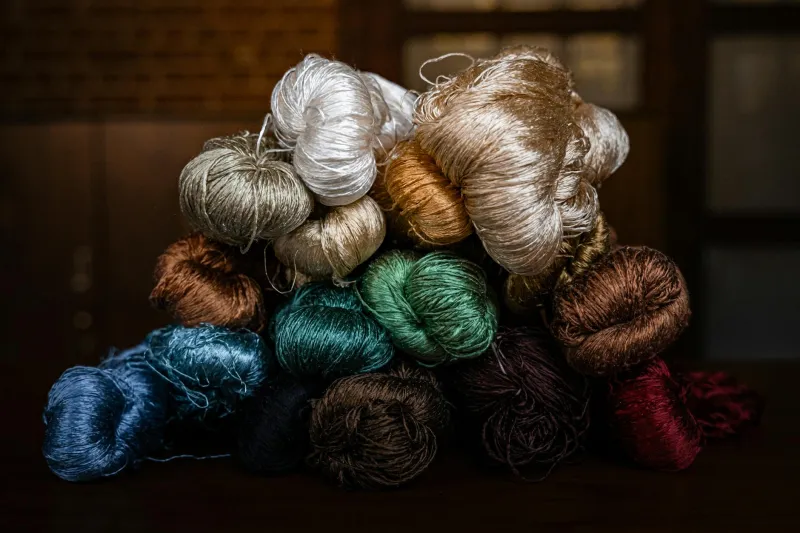
"My signature burgundy comes from my mother's velvet curtains," Emma explains from her studio in Bath. "I spent countless childhood hours reading beneath those curtains, and that colour represents safety, creativity, and home to me. When I use it in my work, I'm not just choosing a shade — I'm sharing a feeling."
This emotional archaeology of colour choice reveals something profound about the handmade movement. In an age of algorithm-generated palettes and trend forecasting, British makers are turning inward, mining their personal histories for authentic expression.
The Business of Being True
What's remarkable is how often these deeply personal colour choices become commercially successful. James Morrison, who creates bespoke leather goods from his workshop in Edinburgh, built his entire brand around a particular shade of forest green he first encountered on a childhood camping trip in the Highlands.
"I remember lying in our tent, looking out at the pine trees in the early morning light," he says. "That green felt like adventure and possibility. Now, twenty years later, customers specifically seek out my work because of that colour. It's become my signature, but more than that — it's become a promise."
The Science Behind the Soul
Dr. Rachel Williams, who studies colour psychology at the University of Brighton, isn't surprised by these stories. "Colour is one of our most primal forms of communication," she explains. "When makers choose colours that have deep personal significance, they're creating an authentic emotional bridge to their audience."
 Photo: University of Brighton, via smapse.com
This authenticity resonates particularly strongly in the British market, where there's growing appetite for stories and meaning behind purchases. Customers aren't just buying objects; they're investing in narratives, values, and the maker's personal journey.
Finding Your True Colours
For emerging makers wondering how to discover their own signature palette, the answer isn't found in colour theory textbooks or Pinterest boards. Instead, successful British artisans recommend looking backwards before looking forward.
"Start with your childhood bedroom," suggests textile artist Lucy Pemberton, whose rose-gold threads have become synonymous with luxury accessories. "Or your grandmother's garden, your first pet, the view from your bedroom window. The colours that shaped you are often the colours that will shape your work most authentically."
The process isn't always immediate. Manchester-based jeweller David Park spent two years experimenting with different metals and stones before recognising that his true palette lay in the copper and slate tones he'd grown up with in the Welsh valleys.
Beyond the Rainbow
What emerges from these stories is a picture of colour choice as something far more complex than aesthetic preference. For Britain's makers, signature colours become:
- Identity markers that set their work apart in crowded marketplaces
- Emotional anchors that keep them connected to their authentic creative voice
- Customer promises that create recognition and trust
- Personal talismans that remind them why they started making in the first place
The Ripple Effect
Perhaps most beautifully, these colour stories often inspire others. Sarah's sage green ceramics have prompted countless customers to share their own colour memories. Emma's burgundy textiles have sparked conversations about family heritage and the objects that carry our histories.
"Colour is a universal language," reflects Emma. "When I share the story behind my burgundy, people immediately understand. They start thinking about their own meaningful colours, their own stories. That's the real magic — not just creating beautiful things, but creating connections."
In a world increasingly dominated by mass production and digital interaction, these deeply personal colour choices represent something precious: the irreplaceable human touch that transforms simple objects into carriers of meaning, memory, and love. They remind us that behind every truly handmade piece lies not just skill and creativity, but a piece of someone's heart — made visible in the colours they choose to share with the world.