The Moment You Know
You can feel it the instant you unwrap something handmade. There's a weight to it that has nothing to do with physical mass – a presence that whispers stories of time invested, care taken, love poured in. It might be the slight irregularity that proves human hands shaped it, or the knowledge that somewhere, someone chose to create rather than simply purchase. Whatever it is, handmade gifts carry an emotional resonance that mass-produced items simply cannot match.
But what exactly happens in that moment of recognition? Why does our heart respond so differently to something crafted by hand?
The Psychology of Perceived Effort
Research in consumer psychology reveals something fascinating about how we value gifts: the effort we perceive behind them directly correlates with how loved we feel. When someone hands you a jumper they've knitted through winter evenings, or a piece of pottery they've shaped and glazed over weeks, you're not just receiving an object – you're receiving time itself, made tangible.
Dr. Sarah Williams, a consumer psychologist at Bath University, explains it beautifully: "Handmade items carry what we call 'effort heuristics' – our brains automatically recognise and value the human investment required. It's not just about the final product; it's about all the invisible hours of learning, practicing, creating that we sense within it."
The Stories That Objects Hold
Every handmade piece carries biography within its fibres, glazes, or stitches. When Brighton-based textile artist Mia Roberts gifts one of her hand-embroidered cushions, she's not just giving soft furnishing – she's sharing her grandmother's techniques, her own interpretation of British wildflowers, and countless hours of meditative stitching by her studio window.
"People tell me they can feel the calm in my work," Mia shares. "That's because I stitch when I need to find peace, when I want to slow down. Somehow, that intention gets woven into the fabric itself."
This phenomenon isn't merely poetic fancy. Neuroscience suggests our brains are remarkably attuned to detecting human intention and emotion in objects. We literally feel the maker's presence in handmade items – their care, their skill, their individual touch.
The Irreplaceable Nature of Imperfection
Mass production aims for flawless uniformity, but handmade celebrates the beautiful quirks that prove human involvement. That slightly wonky ceramic handle or the subtle variation in knit tension isn't a flaw – it's a signature, a proof of authenticity that makes each piece utterly unique.
Ceramicist David Park from the Yorkshire Dales puts it perfectly: "When someone buys one of my mugs, they're getting the only one exactly like it that will ever exist. That thumbprint in the clay, that particular shade where the glaze pooled – it's theirs alone. You can't manufacture that kind of specialness."
Finding Your Perfect Handmade Gift
For the Homebody
Seek out pieces that enhance daily rituals: hand-thrown mugs that make morning coffee ceremonial, or hand-poured candles that transform evening baths into spa experiences. British makers excel at creating objects that elevate the everyday into something sacred.
For the Wanderer
Consider portable treasures that carry place and story: hand-bound journals with paper made from British wildflowers, or delicate jewellery inspired by local landscapes. These gifts become talismans of connection, carrying the maker's place into the receiver's journey.
For the Sentimental Soul
Custom commissions offer the ultimate in personal connection. Many British artisans welcome bespoke projects – from pottery incorporating meaningful colours to textiles featuring significant dates or coordinates. These pieces become heirlooms before they're even gifted.
The Economics of Love
Yes, handmade often costs more than mass-produced alternatives, but this price reflects true value: fair wages for skilled artisans, quality materials, and time invested in perfecting craft. When you choose handmade, you're not just buying an object – you're supporting someone's dream, sustaining traditional skills, and often contributing to local communities.
Jewellery maker Sophie Chen from Edinburgh frames it beautifully: "When someone invests in my work, they're choosing to support not just me, but the silver supplier in Scotland, the gemstone cutter in Wales, the packaging company run by a family in my neighbourhood. Handmade creates ripples of positive impact."
The Ritual of Giving Handmade
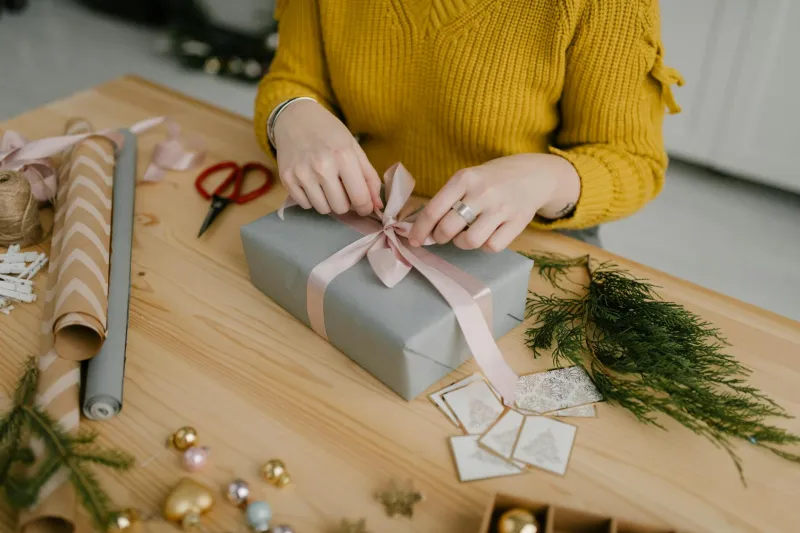
There's something almost ceremonial about presenting a handmade gift. Perhaps it's because you're not just sharing an object, but introducing the recipient to another human being – the maker whose hands shaped what you're offering. You become a bridge between creator and receiver, facilitating a connection that transcends the commercial.
Creating Your Own Handmade Gift Journey
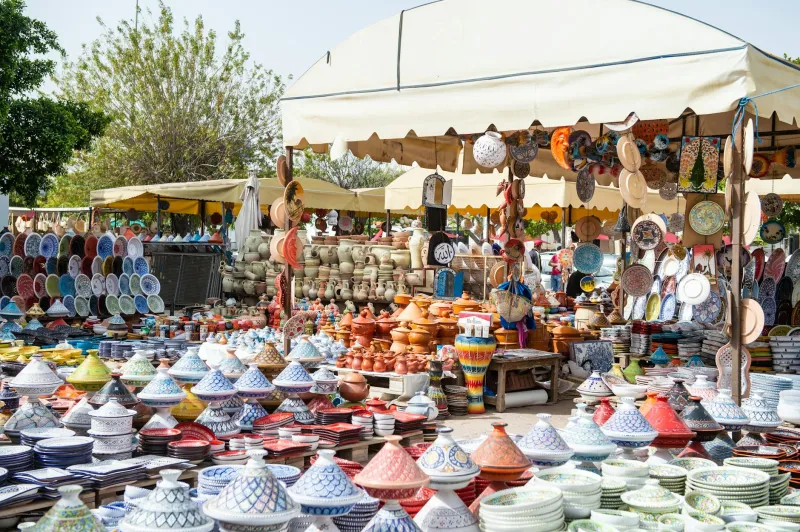
Start by exploring local makers' markets, where you can meet artisans and hear their stories firsthand. Online platforms like Etsy showcase incredible British talent, but don't overlook Instagram, where many emerging makers share their process and accept commissions.
When choosing handmade gifts, consider the recipient's lifestyle and values. Are they drawn to sustainability? Seek out makers using reclaimed materials. Do they love supporting local communities? Find artisans from their area or places they've visited.
The Gift That Keeps Giving
Handmade gifts possess a unique quality: they often inspire the recipient to value craftsmanship more deeply, to seek out other artisan-made pieces, sometimes even to try making something themselves. It's as if the maker's passion is contagious, spreading through each gift to create a broader appreciation for human creativity and skill.
When Love Takes Physical Form
Ultimately, choosing handmade is about recognising that the most meaningful gifts aren't just objects – they're physical manifestations of care, time, and human connection. In a world increasingly dominated by algorithms and automation, handmade gifts remind us of something essential: that the human touch still matters, that creativity still thrives, and that love can indeed be held in our hands.
The next time you're searching for the perfect gift, remember that somewhere in Britain, there's likely an artisan whose passion aligns perfectly with your intention to show someone they matter. The heart knows the difference, and so will they.