The Anonymous Gift Makers
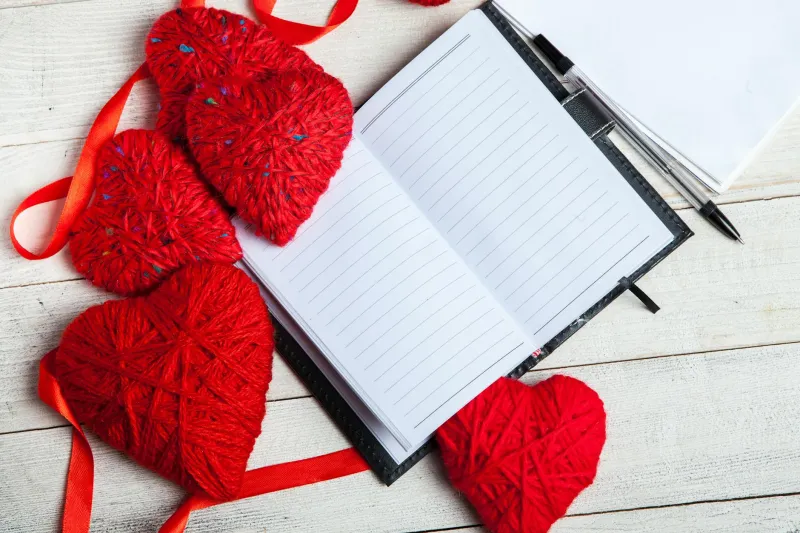
On a drizzly Manchester morning, Emma Patterson carefully places a small knitted heart on a park bench, attaches a note reading "Take me if you need a smile," and walks away without looking back. She doesn't know who will find her creation, whether they'll appreciate the hours of work that went into its making, or if it will end up in a bin. And that, she says, is exactly the point.
"The moment I expect something back – even just a thank you – I've corrupted the purity of the gift," Emma explains, her fingers already busy with the next tiny heart in a seemingly endless production line. "True giving means letting go completely. The joy is in the making and the giving, not in any response."
Emma is part of a growing movement of British makers who create specifically to give away. They're the anonymous elves leaving hand-knitted scarves on bus stops during winter, the secret sewers posting parcels of baby clothes to new mothers, the woodworkers crafting toys for children's hospitals. Their work is driven not by profit margins or Instagram likes, but by something increasingly rare: the pure desire to make someone else's day a little brighter.
The Philosophy of Unconditional Creating
This generous impulse represents a fundamental shift in how we think about the purpose of making. In a world where every hobby is expected to become a side hustle, where creativity is measured in followers and sales figures, these makers are choosing a different path entirely.
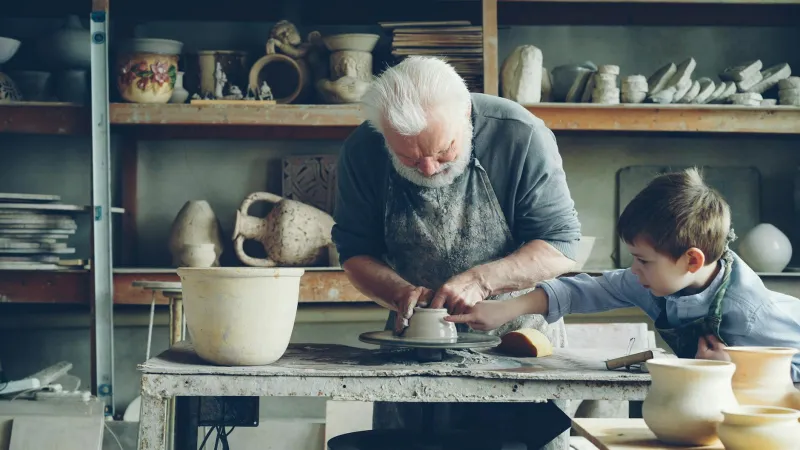
"I spent years trying to monetise my pottery," reflects Birmingham-based ceramicist David Walsh, whose kitchen table is covered in small bowls destined for a local homeless shelter. "I had an Etsy shop, did craft fairs, stressed about pricing and profit margins. It sucked all the joy out of making. Now I create purely for the pleasure of giving, and I've never been happier with my work."
David's transformation from seller to giver began during the first lockdown, when he started leaving hand-thrown mugs outside his local coffee shop with notes encouraging people to take them home. The overwhelming positive response – not just from recipients but from his own sense of satisfaction – convinced him that this was how creativity was meant to feel.
The Ripple Effect of Generosity
The impact of these anonymous gifts extends far beyond their immediate recipients. Social media is full of posts from people sharing photos of unexpected handmade treasures they've discovered, often accompanied by stories of how the gift arrived at exactly the moment they needed it most.
Sarah Chen, a teacher from Brighton, found one of Emma's knitted hearts on the same day she received news of her father's cancer diagnosis. "I kept that little heart in my pocket throughout his treatment," she says. "Knowing that someone had made it purely to bring joy to a stranger gave me hope when I needed it most. It reminded me that there's still kindness in the world."
Inspired by her experience, Sarah learned to knit and now leaves her own small gifts around Brighton. The movement spreads organically, person by person, creating networks of anonymous kindness that span the country.
Crafting for Care
Many gift makers focus their efforts on institutions where their work can provide comfort to those who need it most. Hospitals, hospices, care homes, and women's refuges have become regular recipients of handmade donations from makers who understand that sometimes the most powerful medicine comes in the form of human-made beauty.
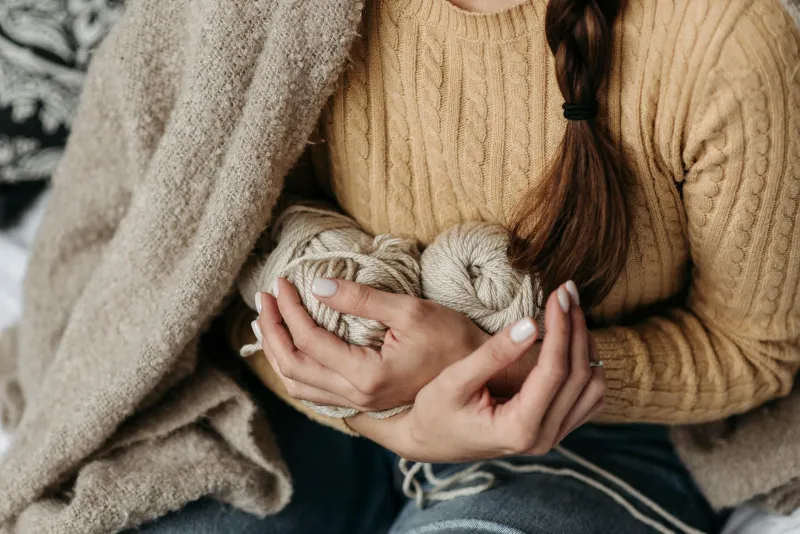
"I make prayer shawls for the cancer ward at our local hospital," explains retired teacher Margaret Thornton from her home in the Lake District. "Each one takes about twenty hours to complete. I'll never meet the people who receive them, but I know that every stitch carries a wish for their healing and comfort."
 Photo of Lake District, via Wikidata/Wikimedia Commons
Margaret's shawls are part of a broader tradition of making for care that spans generations. During both world wars, women across Britain knitted socks and scarves for soldiers they'd never meet. Today's gift makers are continuing this legacy of anonymous care, adapted for contemporary needs.
The Economics of Generosity
Critics might argue that giving away handmade items devalues the craft market, undermining makers who depend on sales for their livelihood. But the gift makers see their work as operating in a completely different sphere – one where traditional economic rules don't apply.
"I'm not competing with commercial makers," insists woodworker James Morrison, who spends his weekends crafting toys for children's charities. "What I'm doing isn't about commerce at all. It's about using my skills to spread happiness. There's room in the world for both approaches."
Many gift makers are also paying customers of other artisans, understanding that supporting the broader craft community is part of their responsibility. They see their free giving as complementary to, rather than competitive with, the commercial handmade market.
The Joy of Making Without Expectation
What emerges from conversations with these generous makers is a profound sense of freedom that comes from creating without commercial constraints. Freed from concerns about marketability, pricing, or customer preferences, they're able to experiment, play, and follow their creative instincts wherever they lead.
"When I was selling my work, I found myself making what I thought people would buy rather than what I wanted to create," admits textile artist Anna Roberts. "Now I make exactly what brings me joy, and somehow that seems to bring joy to others too. There's a purity to it that I'd lost when I was focused on profit."
This freedom often leads to the most innovative and personal work. Unencumbered by commercial viability, gift makers push boundaries, try new techniques, and create pieces that are truly expressions of their individual vision.
Building Community Through Giving
The gift-making movement is also fostering new forms of creative community. Online groups coordinate efforts to ensure care homes receive Christmas decorations, hospitals get comfort blankets, and schools have art supplies. These networks operate on principles of mutual support and shared purpose that transcend traditional business relationships.
"We're not competitors, we're collaborators," explains knitter Patricia Williams, who helps coordinate a network of makers creating items for refugee families. "When someone needs a hundred hats for a homeless shelter, we all pitch in. There's no ego, no ownership – just a shared commitment to using our skills for good."
The Radical Act of Free Giving
In our monetised world, the decision to give away one's creative work represents a quietly radical act. It challenges the assumption that everything must have a price, that creativity should be commodified, that making is only valuable if it generates income.
"Giving away my work is my way of resisting a culture that puts a price on everything," reflects ceramicist David Walsh. "Some things should exist purely for joy, purely for love. My bowls aren't trying to make me rich – they're trying to make the world a little bit kinder."
This philosophy extends beyond individual makers to challenge broader assumptions about value and worth. In a society increasingly focused on productivity and profit, these makers are insisting that some activities have value precisely because they exist outside economic frameworks.
The Future of Generous Making
As Britain's gift-making movement continues to grow, it's inspiring new conversations about the purpose of creativity and the responsibility of skill. These makers are proving that the highest expression of craft might not be the piece that sells for the most money, but the one that brings unexpected joy to a stranger's day.
Their example reminds us that making has always been about more than commerce – it's about connection, care, and the fundamental human desire to create beauty and share it with others. In choosing to give rather than sell, these generous makers are returning to the roots of what makes handcrafted work truly special: the love that goes into every stitch, every brushstroke, every carefully carved detail.
As Emma Patterson places another tiny knitted heart on another park bench, she embodies the simple truth at the heart of this movement: the best gifts are the ones that expect nothing in return, and the purest creativity flows not from commercial ambition but from the generous impulse to make the world a little more beautiful, one handmade treasure at a time.