The Tuesday Night Revolution
Every Tuesday evening at 7pm sharp, the fluorescent lights flicker on in St. Margaret's Church Hall in Hebden Bridge, illuminating rows of plastic chairs and a slightly wonky trestle table. By 7:15pm, this unremarkable space has been transformed into something magical: Britain's most unlikely creative sanctuary.
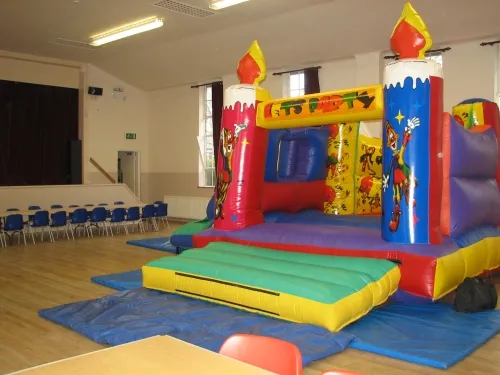 Photo: St. Margaret's Church Hall, via stmargarets.wrexhamparish.org.uk
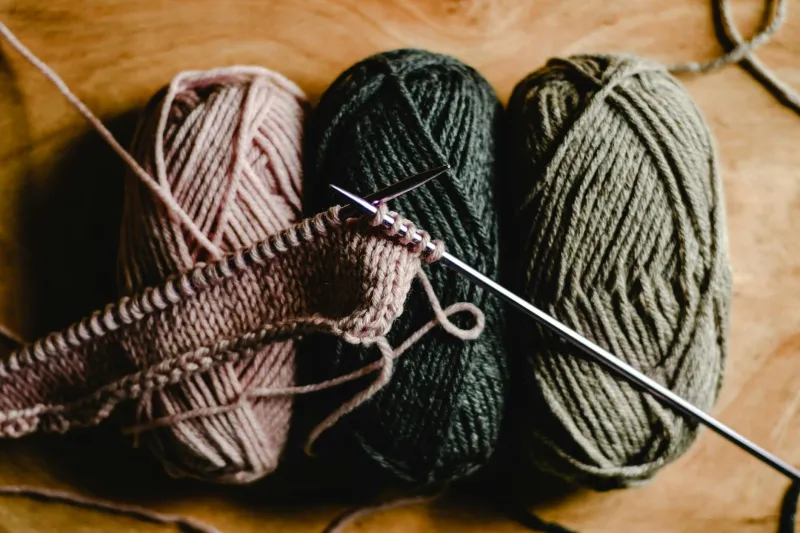
Twenty-three knitters, crocheters, and embroiderers arrive clutching project bags and thermos flasks, ready for three hours of what they simply call "stitching and chatting." But what happens here goes far beyond needlework. This is where retired teachers learn Japanese sashiko from teenagers, where grieving widows find comfort in communal creativity, and where ancient techniques are passed down through stories shared over digestive biscuits.
"People think we're just a knitting circle," laughs organiser Margaret Thornton, untangling a skein of locally-spun wool. "But we're actually running a revolution. We're proving that the best creativity doesn't happen in fancy studios or expensive workshops – it happens when ordinary people gather in ordinary places with extraordinary intentions."
The Geography of Gathering
Across Britain, similar scenes unfold in the most wonderfully mundane locations. In a Cornish village hall that doubles as a polling station, the Thursday morning quilters have been meeting for twelve years, their geometric masterpieces spreading across tables that usually host parish council meetings. The back room of The Crown pub in Derbyshire hosts a weekly spinning circle where members bring fleeces from local farms and transform them into yarn while discussing everything from Brexit to baby names.
These venues might lack the Instagram appeal of purpose-built maker spaces, but they possess something far more valuable: accessibility. There are no membership fees, no intimidating equipment, no pressure to produce anything sellable. Just the simple promise that if you turn up with a willingness to learn, someone will teach you.
"Our village hall costs £15 to hire for the whole evening," explains pottery group leader Janet Walsh from her base in rural Shropshire. "For that, we get space for twenty people, access to a kitchen for tea-making, and enough room to make as much mess as we like. Try finding that in London!"
The Democracy of Making
What strikes visitors to these gatherings is their beautiful democracy. In Margaret's knitting circle, a brain surgeon sits next to a farm labourer, both struggling equally with the mysteries of cable knitting. The retired headmistress defers to the nineteen-year-old art student when it comes to colour theory. Age, background, and social status dissolve in the shared pursuit of making something beautiful.
"This is the only place where my opinion carries the same weight as anyone else's," says retired miner Tom Bradley, who joined his local embroidery group in Newcastle after his wife's death. "When I show them my work, they don't see an old bloke who used to work underground – they just see someone who's learning to create beauty with their hands."
Tom's story illustrates another quiet revolution happening in these community spaces: the breaking down of gender barriers around traditional crafts. Men now make up nearly a third of the membership in many groups, drawn by the meditative qualities of repetitive handwork and the genuine warmth of crafting communities.
Keepers of Ancient Knowledge
These humble venues are also serving as repositories for techniques that would otherwise disappear. In a community centre in the Scottish Borders, 89-year-old Agnes McLeod teaches Fair Isle knitting to anyone willing to learn the intricate colour work patterns passed down through five generations of her family. Her students range from local teenagers to visitors who drive up from Edinburgh specifically to learn from her.
 Photo: Agnes McLeod, via t2.genius.com
"My grandmother would be amazed to see young people so eager to learn the old ways," Agnes reflects, her needles clicking rhythmically as she demonstrates a particularly complex pattern. "She thought these skills would die with her generation. Instead, they're finding new life in the most unexpected places."
The knowledge being preserved goes beyond technique to encompass the stories and traditions that give craft its deeper meaning. In village halls across Wales, quilting circles share not just patterns but the oral histories that accompany them – which designs were favoured for wedding quilts, how wartime rationing influenced colour choices, why certain motifs were considered lucky.
The Healing Power of Humble Spaces
Many participants describe their weekly craft gatherings as essential to their wellbeing. The combination of creative focus, gentle social interaction, and the satisfaction of making something tangible provides a form of therapy that no amount of screen time can match.
"I started coming after my divorce," admits Sarah Chen, a regular at a crochet group that meets in a Gloucestershire library. "I was lonely and angry and didn't know what to do with myself. Three hours of making granny squares while listening to other people's stories slowly put me back together. This tatty old library saved my sanity."
The mental health benefits of these gatherings are increasingly recognised by healthcare professionals. Several GP practices now prescribe attendance at local craft groups as part of social prescribing initiatives, understanding that sometimes the best medicine comes in the form of shared creativity and human connection.
Beyond the Craft
While the nominal focus is on making, these gatherings serve broader community functions that extend far beyond needlework. They're informal support networks where members share job opportunities, childcare advice, and emotional support. They're cultural bridges where longtime residents welcome newcomers and different generations learn from each other.
"We've helped three members find new jobs, supported two through cancer treatment, and celebrated countless grandchildren," notes book binding group leader Patricia Williams from her base in a Cardiff community centre. "The craft is just what brings us together – the real magic happens in the connections we make."
The Future of Making
As Britain's craft revival continues to grow, these grassroots gatherings are proving their enduring relevance. While expensive maker spaces and trendy craft cafes grab headlines, the real work of preserving and passing on traditional skills happens in church halls and community centres where the only admission requirement is enthusiasm.
These spaces remind us that creativity doesn't require perfect conditions or expensive equipment – it just needs people willing to gather, share, and make something beautiful together. In our increasingly digital world, there's something profoundly radical about choosing to spend Tuesday evenings learning ancient skills in fluorescent-lit halls.
As Margaret Thornton packs away her knitting at the end of another Tuesday session, she reflects on the magic that happens in these unlikely spaces: "People ask me why we don't meet somewhere nicer, somewhere more inspiring. But this is inspiring – twenty-three people choosing to create rather than consume, to connect rather than compete. You can't buy that kind of magic, no matter how fancy your venue."
In Britain's most ordinary spaces, the most extraordinary things are happening every week. You just need to know where to look.