The Workshop Where Time Stands Still
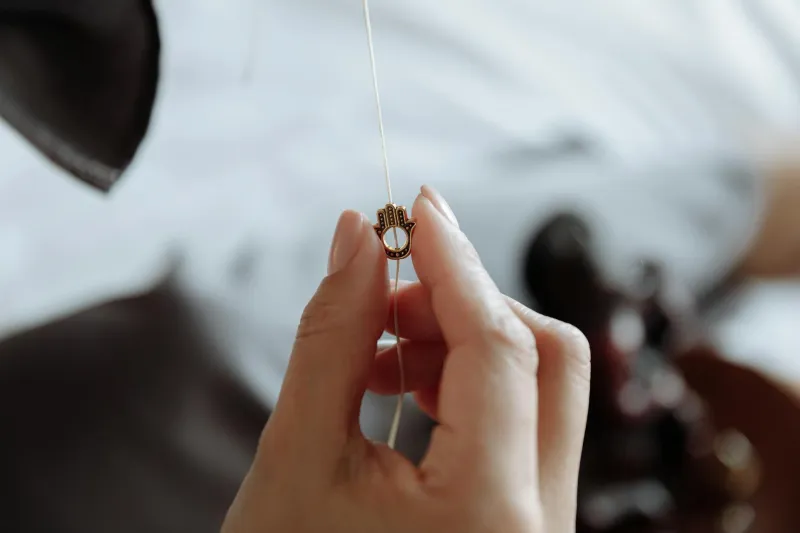
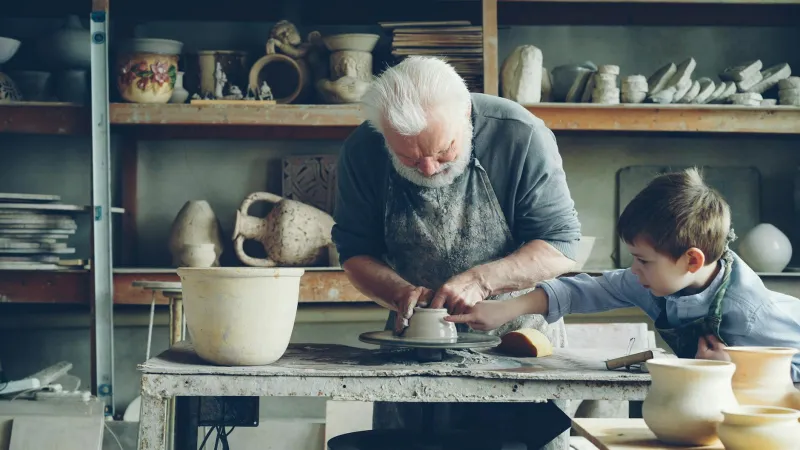
In a narrow lane behind Canterbury Cathedral, 78-year-old bookbinder William Ashworth is teaching 24-year-old Maya Patel something that can't be found on YouTube: how to feel when leather is ready to accept gold leaf. His weathered hands guide hers as they hold a heated tool, waiting for that precise moment when metal meets hide with perfect pressure.
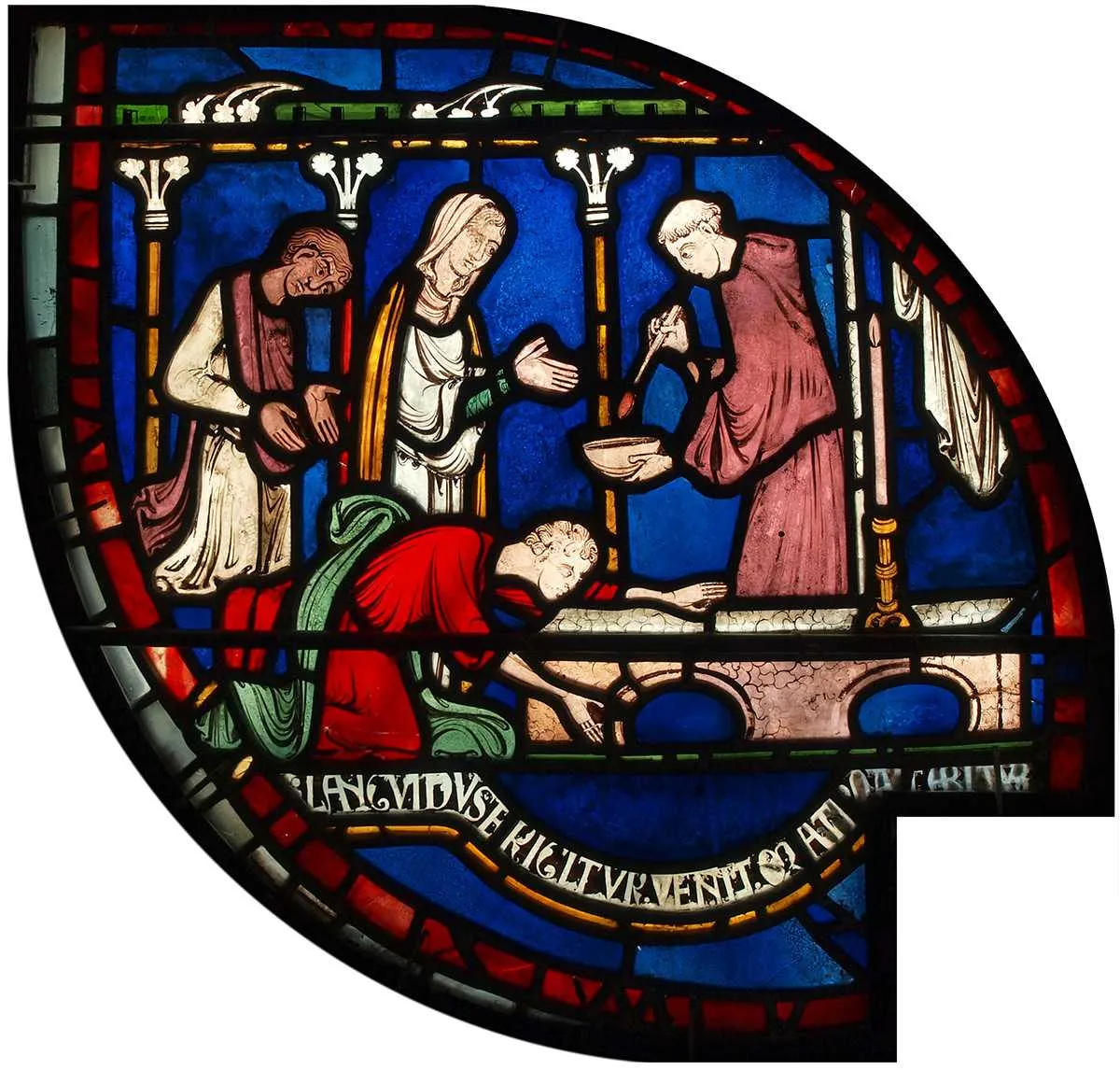 Photo: Canterbury Cathedral, via learning.canterbury-cathedral.org
"It's not about temperature," William murmurs, his voice carrying the patience of five decades spent binding books. "It's about listening to what the leather tells you."
Maya nods, her modern engineering degree suddenly feeling less relevant than this ancient wisdom being shared in a workshop that smells of beeswax and centuries. This is her third year learning from William, and she's beginning to understand that she's receiving far more than technical knowledge—she's inheriting a living tradition that connects her to craftspeople stretching back through time.
The Unlikely Pairs
Across Britain, similar scenes are unfolding in workshops, studios, and back rooms where master craftspeople in their seventies and eighties are sharing their life's work with apprentices young enough to be their grandchildren. These partnerships might seem unlikely on the surface—digital natives learning from analogue masters, Instagram-savvy makers studying under craftspeople who still prefer handwritten notes.
Yet something magical happens when experience meets enthusiasm, when lifetime mastery encounters fresh curiosity. The results are friendships that transcend age, background, and the supposed generational divide that dominates so much modern discourse.
In the Yorkshire Dales, 82-year-old dry stone waller Tom Hargreaves has been teaching 19-year-old university student Chloe Stevens the art of building walls that will stand for centuries. "She asks questions I never thought to ask," Tom chuckles. "Made me realise how much I take for granted after sixty years of moving stones."
 Photo: Yorkshire Dales, via www.yorkshiredales.org.uk
More Than Technique
What strikes you immediately when meeting these master-apprentice pairs is how quickly the conversation moves beyond technique. Yes, there are skills being passed down—the precise angle for cutting mortise joints, the exact pressure needed for hand-engraving silver, the secret to mixing pigments that won't fade. But there's something deeper happening here.
"William doesn't just teach me bookbinding," Maya explains over tea in the workshop's tiny kitchen. "He teaches me patience. He teaches me that some things can't be rushed, that quality comes from caring about details no one else will ever notice."
In Herefordshire, 75-year-old saddler Margaret Thornton has been sharing her craft with 28-year-old former accountant Jake Morrison for two years. Their unlikely friendship began when Jake, burnt out from corporate life, saw a small sign advertising leatherwork classes in Margaret's village workshop.
"I expected to learn how to make a belt," Jake recalls. "Instead, I learned how to see leather the way Margaret does—as something alive, with grain and character and stories to tell. She taught me that every hide comes from an animal that lived a life, and respecting that is part of the craft."
The Gift of Time
Perhaps most precious of all, these relationships offer something increasingly rare in modern life: unhurried time. In Margaret's workshop, mobile phones stay silent. Conversations unfold at the pace of careful stitching. There's space for stories, for reflection, for the kind of deep learning that happens when minds and hands work together without distraction.
"Young people today are always rushing," observes Edinburgh silversmith Robert MacKenzie, who's been mentoring 26-year-old art graduate Fiona Campbell in the ancient art of raising silver bowls by hand. "But silver won't be rushed. It teaches you to work with its rhythm, not against it. Fiona's learning that some of the most valuable things in life require patience."
Fiona nods, her hammer moving in the steady rhythm Robert taught her. "In my previous life, everything was about quick results, instant feedback. Here, I'm learning that some things are worth waiting for, worth doing slowly and properly."
The Unexpected Joy of Teaching
For the master craftspeople, these relationships have brought unexpected gifts. Many describe rediscovering their own craft through fresh eyes, finding new joy in skills they'd begun to take for granted.
"Teaching Maya has reminded me why I fell in love with bookbinding in the first place," William reflects. "When you've been doing something for fifty years, you can forget how miraculous it really is—turning loose pages into something that will last centuries. Seeing her wonder brings back my own."
Tom Hargreaves echoes this sentiment from his stone wall in the Dales: "Chloe makes me notice things I'd stopped seeing. Yesterday she pointed out how the lichen patterns on different stones create natural colour combinations. Made me realise I'd been selecting stones by feel for so long, I'd forgotten to really look at them."
Beyond the Workshop
These relationships often extend far beyond formal learning. Maya and William meet for Sunday lunch. Jake helps Margaret with her garden in exchange for extra workshop time. Fiona and Robert attend craft fairs together, the young maker learning not just technique but the business of being a craftsperson.
"It's like having the grandfather I never had," Chloe admits about her relationship with Tom. "He tells me stories about the landscape, about changes he's seen over decades of working outdoors. I'm learning history alongside stonemasonry."
The Living Flame
What makes these partnerships so powerful isn't just the preservation of skills—it's the preservation of something more intangible. The values, the standards, the deep respect for materials and process that can only be passed from one person to another.
"You can learn technique from books or videos," explains Margaret as she watches Jake carefully stitch a bridle. "But you can't learn standards. You can't learn the satisfaction of doing something properly, of taking pride in work that will outlast you. That only comes from working alongside someone who embodies those values."
The Future in Good Hands
As these master craftspeople gradually step back from active work, they're doing so with the satisfaction of knowing their life's knowledge lives on. Not in museums or textbooks, but in the hands and hearts of young makers who will carry these traditions forward, adapting them for new generations whilst preserving their essential spirit.
"The flame doesn't go out," William says simply, watching Maya gold-leaf a book spine with growing confidence. "It just passes to younger hands. And somehow, in the passing, it burns even brighter."
In workshops across Britain, these unlikely friendships are proving that some things transcend age, technology, and time itself. The most precious gifts—patience, pride in craftsmanship, respect for tradition—are still best passed from one human being to another, one careful lesson at a time.