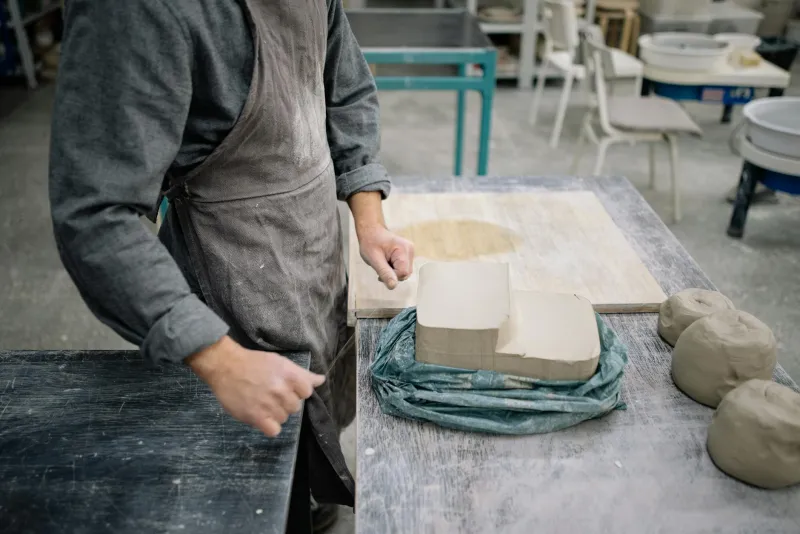
In the quiet hours before dawn, when most of the world sleeps, potter Maria Santos sits at her wheel in her Somerset studio. As her hands shape clay, she whispers a small blessing — not loud enough for anyone to hear, but meaningful enough to transform ordinary pottery into something extraordinary. This tiny ritual, repeated with every piece she creates, represents a hidden dimension of British craftsmanship that buyers rarely glimpse but always feel.
The Invisible Thread
Across Britain, makers are quietly embedding secret touches into their work — hidden messages, lucky symbols, and personal rituals that create an invisible thread between creator and owner. These aren't marketing gimmicks or selling points; they're deeply personal practices that separate truly handmade items from anything mass-produced.
"Every piece I knit contains a single stitch in my daughter's favourite colour," reveals Helen McBride, whose luxury scarves are sought after by London's fashion elite. "It's always hidden — maybe on the inside seam or woven into the pattern where only I know to look. But knowing it's there makes each piece feel like a little love letter."
This practice of embedding the personal into the professional runs deep in British making traditions. From the medieval stonemasons who carved hidden symbols into cathedral walls to the Victorian seamstresses who tucked protective charms into wedding dresses, the impulse to leave something of ourselves in our work appears to be fundamentally human.
Symbols in the Clay
In her workshop overlooking the Yorkshire Dales, ceramic artist Jonathan Reed has developed his own vocabulary of hidden marks. "I press a tiny star into the base of every mug I make," he explains, showing a piece fresh from the kiln. "My grandfather taught me that stars were for wishes, and I want everyone who drinks from my mugs to have their wishes come true."
 Photo: Yorkshire Dales, via www.yorkshiredales.org.uk
These secret signatures often carry profound personal meaning. Textile artist Claire Winters, working from her Brighton studio, embroiders a nearly invisible four-leaf clover into every piece she creates. "I found a real one the day I decided to leave my corporate job and become a full-time maker," she shares. "Now it's my way of passing that luck forward."
The Whispered Intention
Perhaps most moving are the makers who embed intentions rather than objects into their work. Jeweller Sarah Blackwood, whose pieces are worn by brides across the Home Counties, has a ritual that would surprise many of her customers.
"As I work each piece of metal, I think about the person who'll wear it," she reveals. "I don't know who they are yet, but I send them good thoughts — for happiness, for love, for whatever they need most. It sounds silly, but I believe that energy goes into the piece somehow."
This practice of intentional making isn't uncommon. Across Britain, artisans speak of imbuing their work with hopes, dreams, and positive energy through focused thought and careful attention.
Lucky Charms and Hidden Meanings
Some makers go further, incorporating actual lucky charms into their pieces. Leatherworker Tom Harrison, whose handmade bags are prized by countryside enthusiasts, tucks a tiny piece of heather into the lining of every bag he creates.
"It's from the moor where I walk my dogs every morning," he explains. "Heather is supposed to bring protection and good fortune. Most customers never find it, but knowing it's there makes me feel like I'm sending a little piece of home with them wherever they go."
Similarly, woodworker Anne Patterson carves almost invisible runic symbols into the underside of her handcrafted furniture. "Each symbol represents something positive — prosperity, health, happiness," she says. "They're so small you'd need a magnifying glass to see them, but they're there, silently blessing whoever owns the piece."
The Science of Secret Touches
Dr. Emma Thompson, who studies craft psychology at Manchester University, finds these practices fascinating. "There's something profound about makers embedding personal elements into their work," she observes. "It creates an emotional investment that goes beyond the functional or aesthetic. The maker feels more connected to their creation, and somehow, customers sense that deeper level of care."
 Photo: Manchester University, via keystoneacademic-res.cloudinary.com
This emotional investment often translates into higher quality work. When makers know they're leaving something of themselves in each piece, the attention to detail naturally increases. Every stitch, every curve, every finish becomes more important because it carries personal meaning.
Traditions Passed Down
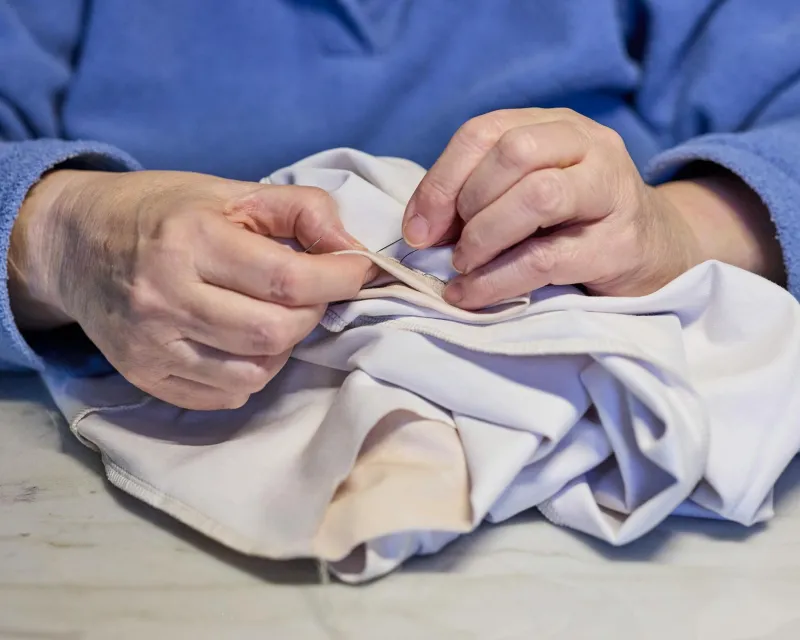
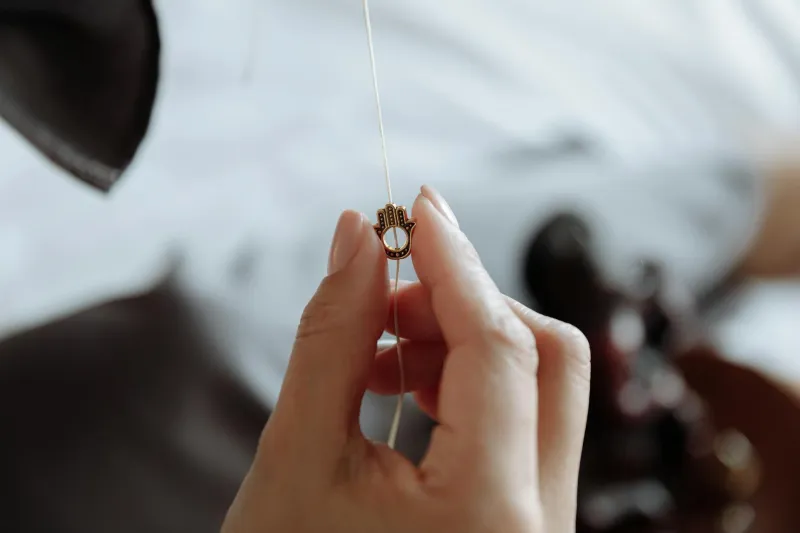
Many of these practices are inherited rather than invented. Seamstress Margaret Ellis learned her secret technique from her grandmother: "She always sewed a small red thread into the hem of every dress — red for protection and strength. I still do it today, forty years later. It connects me to her memory and to all the women who wore those dresses."
These inherited rituals create invisible lineages, connecting contemporary makers to generations of craftspeople who understood that objects could carry more than their physical properties.
Modern Magic
Younger makers are creating their own traditions. Twenty-something potter Jake Williams stamps a tiny smiley face into the bottom of every mug he makes. "Life's tough enough," he says. "If someone finds that little face years later, maybe it'll make them smile on a difficult day."
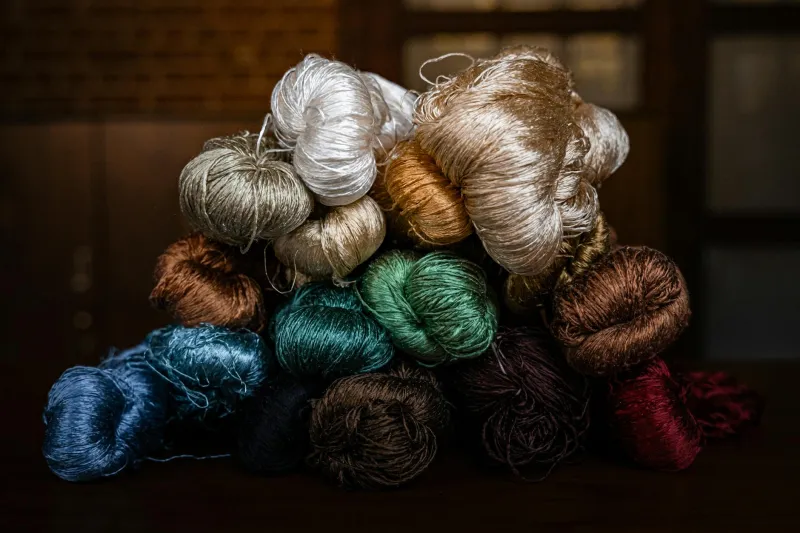
Similarly, textile designer Amy Chen weaves single golden threads into her tapestries — so fine they're almost invisible but bright enough to catch the light occasionally. "I call them hope threads," she explains. "When the light hits them just right, it's like a little reminder that beauty can appear anywhere."
The Ripple Effect
What's remarkable is how often these secret touches create unexpected connections. Customers who discover hidden elements in their purchases often contact makers to share their delight. These moments of discovery create bonds that go far beyond typical buyer-seller relationships.
"A woman emailed me last year because she'd found the star in one of my mugs," recalls Jonathan Reed. "She said it appeared just when she needed to remember to wish for something important. We've been corresponding ever since — she's become a friend, not just a customer."
The Heart of Handmade
These secret practices reveal something essential about the British handmade movement. In an age of mass production and digital transaction, makers are insisting on human connection, on the transfer of something meaningful from one person to another.
"When I put that hidden stitch in a scarf," reflects Helen McBride, "I'm saying that this isn't just an object — it's a piece of my story, my love, my hope for whoever receives it. That's what makes handmade different. That's what makes it matter."
In workshops across Britain, makers continue their quiet rituals — pressing symbols into clay, weaving intentions into fabric, whispering blessings over metal and wood. These secret touches may never be discovered, but they transform every handmade piece from simple object to carrier of human connection, from transaction to gift, from made to beloved.
They remind us that the true magic of handmade isn't just in the skill of the hands, but in the generosity of the heart that guides them.