There's a particular flutter that happens when you first whisper the words "I think I might try selling at the Christmas fair." It's equal parts terror and excitement, like standing at the edge of a diving board you've been circling for months. If you're reading this with sweaty palms and a head full of questions, take a deep breath – every successful maker has stood exactly where you are now.
The Great Pricing Puzzle
Let's tackle the elephant in the room first: pricing your handmade treasures. It's the question that keeps new sellers awake at 2am, calculator in hand, wondering if they're being greedy or selling themselves short.
Here's the truth nobody mentions in those cheerful craft fair guides: your time has value, and underpricing hurts everyone in the handmade community. Start with your materials cost, add an hourly rate that reflects your skill (£8-15 per hour is a good starting point for beginners), then multiply by 2.5 to account for market fees, travel costs, and those inevitable "learning experience" expenses.
Sarah from Cotswold Ceramics puts it perfectly: "I used to feel guilty charging £25 for a mug until someone pointed out that's less than most people spend on a takeaway lunch – and my mug will bring joy for years."
Creating Magic on a Shoestring
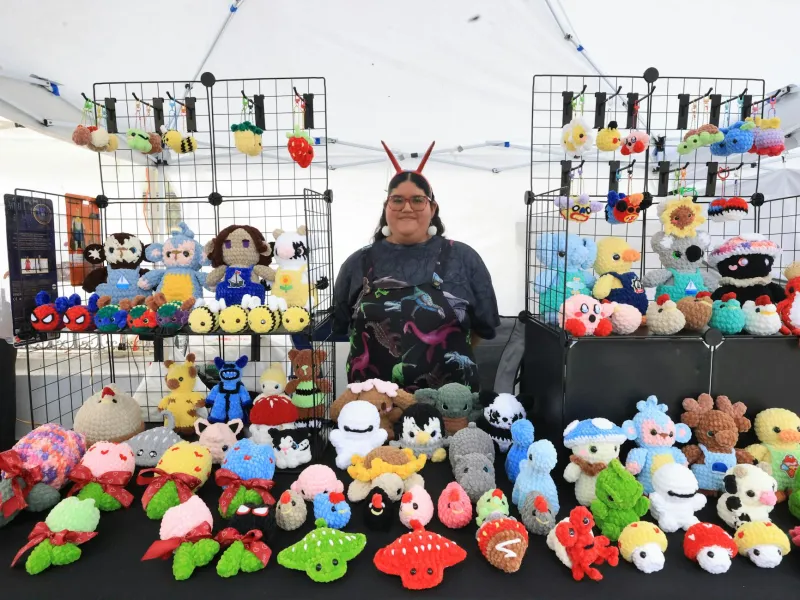
Your stall doesn't need to look like something from Pinterest to be successful. In fact, the most memorable displays often come from the most creative budget solutions.
Start with what you have: that vintage tablecloth from your nan's house, wooden crates from the local greengrocer (ask nicely – they're usually happy to help), or even sturdy cardboard boxes covered in pretty fabric. Height is your friend – create levels using books, boxes, or cake stands to draw the eye around your display.
Lighting transforms everything, and battery-powered fairy lights are your secret weapon. They cost pennies, create instant atmosphere, and make everything look more magical – especially important during those grey December afternoons.
The Unspoken Etiquette of Market Life
Every craft fair has its own rhythm and unwritten rules. Arrive early – not just to set up, but to introduce yourself to neighbouring stallholders. These connections often become your support network, sharing customers and covering toilet breaks throughout the day.
Bring a "float" of change, but don't flash it about. A small cash tin tucked discretely under your table works perfectly. And here's a insider tip: always have a notepad handy. Customers love bespoke orders, and writing down their details shows you're serious about their request.
When Nerves Strike (And They Will)
That first customer approaching your stall will feel monumental. Your heart might race, your voice might wobble slightly, but remember – they're there because something you made caught their eye. That's already a win.
Practise your "elevator pitch" beforehand: a friendly, 30-second explanation of what you make and what makes it special. "I hand-knit these scarves using wool from a farm just outside Bath" is infinitely more engaging than "I make knitwear."
Don't take it personally if someone picks up your work, admires it, then walks away. Sometimes people need to think, sometimes they're just browsing, and sometimes they simply can't afford it right now. Each interaction is planting a seed.
The Power of Story
British customers adore a good story, and handmade goods are brimming with them. Where did your inspiration come from? What makes your technique special? How long did this particular piece take to create?
Share these stories naturally – not like a rehearsed sales pitch, but like you're chatting to a friend who's genuinely interested. People don't just buy your products; they buy into your passion and creativity.
Practical Survival Kit
Beyond the obvious (stock, display materials, change), pack like you're going on a day-long adventure. Comfortable shoes are non-negotiable – you'll be standing for hours. Bring snacks, a thermos of tea, and layers of clothing because marquees can be surprisingly chilly.
A small mirror tucked behind your display helps you keep an eye on the stall while chatting to customers. And always, always bring business cards or flyers with your contact details – impulse buyers might want to find you later.
When Things Don't Go to Plan
Maybe the weather's dreadful, maybe footfall is lighter than expected, maybe that display you practised at home looks wonky under the marquee lights. These moments aren't failures – they're education.
Every experienced maker has stories of their first fair disasters that now make them laugh. The important thing is showing up, being present, and treating each interaction as valuable, whether it leads to a sale or not.
Celebrating the Courage
Taking your handmade work from the safety of your kitchen table to the scrutiny of strangers is an act of remarkable bravery. You're sharing a piece of your creativity, your time, your heart with the world – and that deserves celebrating, regardless of how many sales you make.
That first craft fair is just the beginning of your journey. Some days will be magical, others will teach you resilience, but each one will make you a little braver, a little wiser, and a little more connected to the wonderful community of British makers who understand exactly how you're feeling right now.
So pack your dreams alongside your stock, take a deep breath, and step into that marquee. Your handmade adventure is waiting.