The Unexpected Renaissance
There's something almost rebellious about walking into Hartwell's Haberdashery on a grey Tuesday morning in Harrogate. While the world rushes past outside, clutching smartphones and checking notifications, inside this Victorian-fronted sanctuary, time moves differently. Mrs. Eleanor Hartwell, now in her seventies, watches customers lose themselves amongst towers of ribbon spools and vintage button cards with the quiet satisfaction of someone who's witnessed magic happen countless times before.
"People come in for a packet of bias binding," she tells me, her fingers automatically sorting pearl buttons by size, "and leave two hours later with three new friends and enough inspiration to last them months."
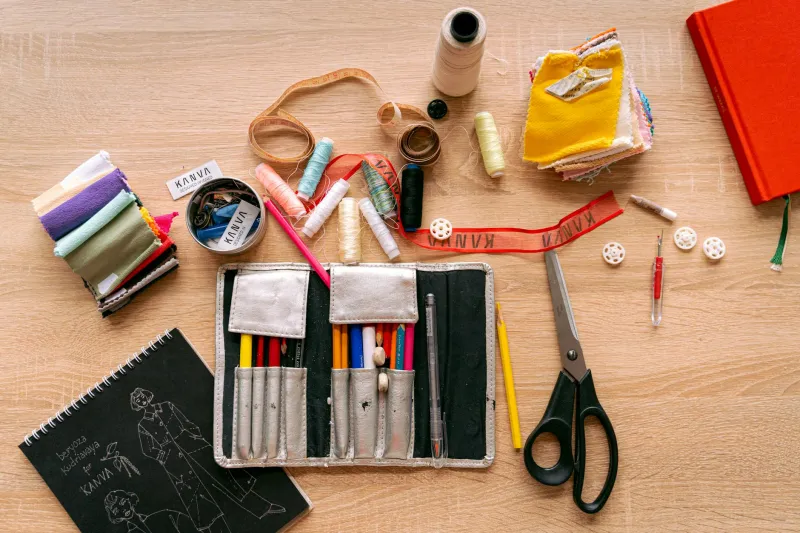
This scene is playing out across Britain in the most unexpected places. From converted railway arches in London to former sweet shops in the Cotswolds, independent haberdashery shops are experiencing something unprecedented: a renaissance driven not just by the practical needs of makers, but by their hunger for genuine human connection.
More Than Thread and Buttons
At Stitch & Story in Bristol's Clifton Village, owner Maya Patel has transformed what was once a traditional notions shop into something that feels part studio, part community centre, part treasure hunt. The shop's Instagram might boast thousands of followers, but it's the analogue magic that keeps people coming back.
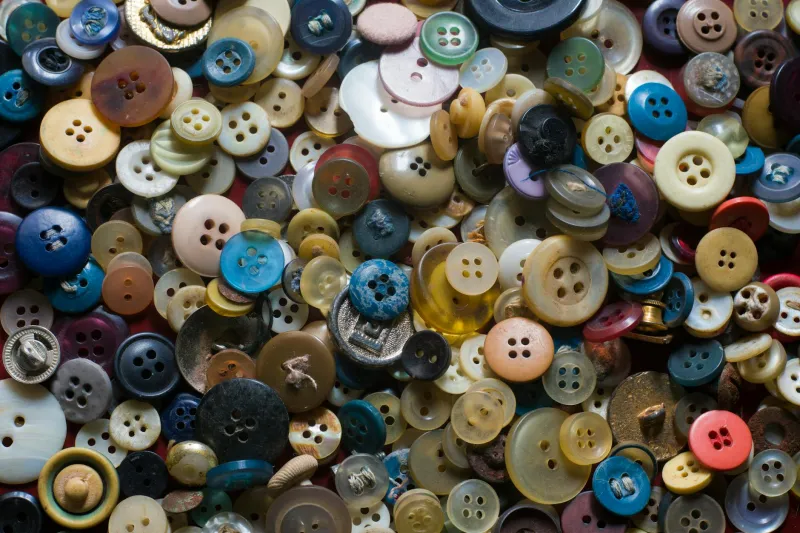
"I watch customers pick up buttons and actually feel them," Maya explains, gesturing towards a customer who's been examining mother-of-pearl buttons for the past twenty minutes. "They roll them between their fingers, hold them up to the light, imagine them on different fabrics. You can't do that online, can you?"
The numbers support what Maya's witnessing firsthand. According to recent craft industry reports, foot traffic to independent haberdashery shops has increased by 40% since 2019, with the average visit lasting 45 minutes longer than pre-pandemic levels. But the real story isn't in the statistics—it's in the quiet conversations happening between strangers over shared bolts of Liberty print.
The Sensory Sanctuary
Step into any thriving haberdashery and you're immediately struck by the sensory richness that our increasingly digital world has stripped away. At The Button Box in Edinburgh's Old Town, the very air seems to shimmer with possibility. Drawers upon drawers of vintage buttons catch the light streaming through Georgian windows, while bolts of fabric create a rainbow that would make any Instagram filter weep with envy.
But it's not just visual. There's the satisfying click of buttons cascading through fingers, the whisper of silk ribbon being unfurled, the gentle thunk of wooden cotton reels being stacked. These sounds, textures, and even smells (that particular blend of cotton, wool, and wood polish) create an experience that's become increasingly rare in our sanitised retail landscape.
"My customers often tell me they come here to think," shares James McKenzie, who inherited The Button Box from his grandmother three years ago. "There's something about handling beautiful objects, about taking time to really look at things, that helps people process their thoughts. We've become accidental therapists, really."
Building Community, One Stitch at a Time
Perhaps the most remarkable transformation is how these spaces have evolved into genuine community hubs. At Threads & Dreams in Canterbury, what started as informal advice-giving has blossomed into something much more significant. Owner Sarah Collins now hosts 'Mending Mondays' where customers bring broken items and learn repair techniques while sharing stories and cups of tea.
"Last week, we had a university student learning to darn socks sitting next to a retired headmistress who was teaching her how to embroider," Sarah recounts. "By the end of the afternoon, they were planning a joint project for the student's graduation dress. That's not something you can replicate in a click-and-collect world."
These connections are proving surprisingly durable. Many shops report that customers who met over button boxes or fabric selections have gone on to form lasting friendships, craft circles, and even business partnerships. The haberdashery becomes the catalyst, but the relationships extend far beyond its walls.
The Art of Slow Shopping
In an age of instant gratification and next-day delivery, haberdashery shops are championing something radical: the pleasure of taking time. At Violet's Vintage Notions in Bath, customers are actively encouraged to browse without pressure, to handle items, to ask questions, to change their minds.
"I've had people spend entire afternoons here, not because they're indecisive, but because they're enjoying the process," explains owner Violet Chen. "They're rediscovering that shopping can be contemplative, even meditative. They're allowing themselves to be surprised by what they find."
This unhurried approach creates space for serendipity—the perfect button discovered by accident, the ribbon that transforms an entire project concept, the conversation with a fellow maker that sparks a new creative direction. These moments of discovery are becoming increasingly precious as they become increasingly rare.
The Future of Making
As Britain's making community continues to grow, these haberdashery havens are positioning themselves as more than retailers—they're becoming custodians of craft knowledge, facilitators of community, and guardians of the tactile joy that lies at the heart of handmaking.
Walking out of Hartwell's that Tuesday morning, arms full of ribbon and head full of ideas shared by fellow makers, it's impossible not to feel that something important is happening in these unassuming shops. In a world increasingly dominated by screens and algorithms, they're offering something irreplaceably human: the simple pleasure of beautiful objects, meaningful connections, and the time to appreciate both.
Perhaps that's the real magic these shops are weaving—not just helping us make beautiful things, but helping us remember what it feels like to slow down, look closely, and connect genuinely with the world and people around us.