The Weight of a Button
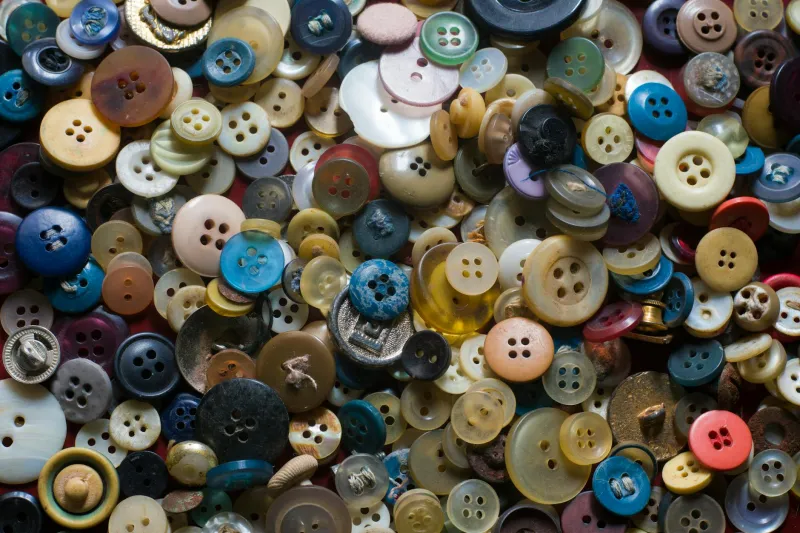
There's something almost sacred about lifting the lid of your grandmother's button tin for the first time. The gentle rattle of decades-old treasures, the faint scent of lavender and old fabric, the cool touch of mother-of-pearl against your fingertips—these moments mark the beginning of an inheritance far richer than any bank account.
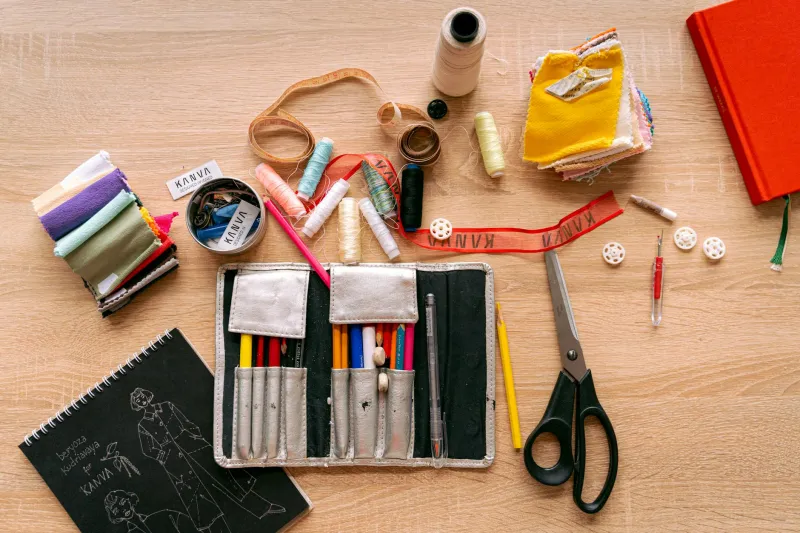
Across Britain, thousands of these humble collections sit quietly in spare bedrooms, kitchen drawers, and sewing boxes, waiting to tell their stories. They're the Oxo tins filled with vintage buttons from a great-aunt's dressmaking days, the Quality Street containers brimming with ribbons saved "just in case," the battered sewing baskets that have travelled through three generations of hands.
"When Mum passed, I almost donated her sewing things to charity," admits Sarah Mitchell, a 34-year-old teacher from Gloucestershire who's recently discovered the joy of quilting. "But when I opened that old Jacob's biscuit tin, I found buttons from every dress she'd ever altered, every coat she'd mended. There were ones from my school uniforms, tiny pearl ones from christening gowns, even a set of brass buttons from my grandfather's wartime uniform."
More Than Materials: The Emotional Architecture of Inheritance
These collections represent something uniquely British—our tendency to save, to mend, to "make do." But they're also repositories of love, each carefully saved button or length of bias binding a small act of hope that someday, someone might need it.
Emma Thompson (not the actress, but a textile artist from Yorkshire) inherited her grandmother's sewing basket five years ago. Inside, she discovered not just the expected thimbles and threads, but tiny fabric samples from every curtain her grandmother had ever sewn, carefully labelled with room names and dates stretching back to the 1940s.
"It was like finding a textile diary," Emma explains. "Each scrap told a story—the yellow gingham from the kitchen in their first married home, the chintz from the sitting room where they celebrated their silver wedding anniversary. She'd saved them all, probably thinking they might come in useful for patching or samples."
What Emma discovered was far more valuable than practical supplies. Each saved remnant was a breadcrumb trail through a life lived thoughtfully, a testament to the careful stewardship that characterised her grandmother's generation.
The Quiet Revival: How Heritage Inspires New Makers
Across Britain, a quiet renaissance is happening in spare rooms and kitchen tables, and these inherited collections are often the spark. Young crafters, many of whom had never picked up a needle before inheriting their family's haberdashery hoards, are finding themselves drawn into the meditative world of handmaking.
"I started with my nan's button tin just because I needed to replace a button on a coat," says James Chen, a 28-year-old graphic designer from Manchester. "But sitting there, going through all these beautiful old buttons, I started imagining the clothes they'd lived on, the hands that had sewn them. Before I knew it, I was teaching myself to embroider using her threads."
James isn't alone. Across social media, hashtags like #inheritedcraft and #grandmasthings showcase a growing community of makers who've found their creative calling through family collections. They're turning vintage buttons into statement jewellery, using inherited fabrics for modern quilts, and breathing new life into techniques that might otherwise have been forgotten.
The Alchemy of Memory and Making
There's something almost alchemical about working with materials that carry such personal history. The weight of a vintage button in your palm connects you directly to the hands that saved it, the moment when someone decided this small thing was worth keeping.
"When I use one of my mum's saved ribbons in a new project, it feels like she's making it with me," says Patricia Wells, a 45-year-old mother of two who took up card-making after inheriting her mother's craft supplies. "These aren't just materials—they're love made tangible."
This emotional resonance is transforming how a new generation thinks about making and mending. In an age of fast fashion and disposability, these inherited collections offer a different model—one where materials are treasured, where the act of saving and reusing becomes its own form of creativity.
Passing It Forward: The New Keepers of Britain's Creative Heritage
Perhaps most beautifully, many of these new makers are already thinking about their own legacy. They're adding to their inherited collections, mixing vintage buttons with modern finds, combining grandmother's embroidery threads with contemporary yarns.
"I've started my own button tin for my daughter," says Sarah Mitchell. "Every time I finish a project, I save a button or a bit of fabric. I want her to inherit not just my mum's memories, but ours too—all the things we've made together, all the quiet Sunday afternoons spent creating."
In these humble tins and baskets, Britain's creative heritage lives on—not in museums or exhibitions, but in the intimate spaces where love and craft intersect. They remind us that sometimes the most precious inheritances come not in grand gestures, but in the patient accumulation of small, beautiful things, saved with hope and passed on with love.
The Thread Continues
As these inherited collections find new hands and new purposes, they're proving that creativity, like love, multiplies when it's shared. Each button sewn, each ribbon used, each thread that connects past to present adds another chapter to these ongoing stories of British making.
In a world increasingly dominated by the digital and disposable, these tangible connections to our creative past offer something irreplaceable—the weight of history in our hands, the warmth of love in our fingertips, and the quiet satisfaction of knowing that some things are too precious to ever truly be lost.