The Language of Loss, Spoken in Stitches
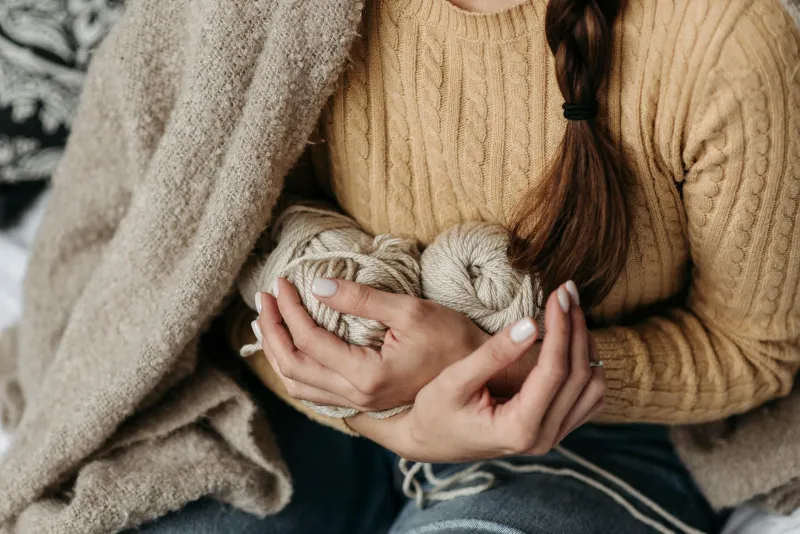
In a sunlit studio in Bath, Sarah Chen's fingers move with practised precision through strands of cornflower blue wool. Each stitch carries weight beyond its simple loop—this particular shade was her father's favourite colour, the one he wore in his cricket jumpers every Sunday for forty years. Now, two years after his passing, Sarah is creating something that holds both memory and comfort: a blanket that will wrap her family in the essence of who he was.
"Grief doesn't follow patterns," Sarah explains, her needles clicking in a rhythm that's become as natural as breathing. "But knitting does. When everything feels chaotic, there's something deeply grounding about making one stitch, then another, then another."
Sarah isn't alone in discovering how craft can cradle sorrow. Across Britain, a remarkable movement of memorial makers is emerging—artisans who've learned that sometimes the most profound healing happens not through words, but through the ancient act of creating with our hands.
The Makers Who Hold Space
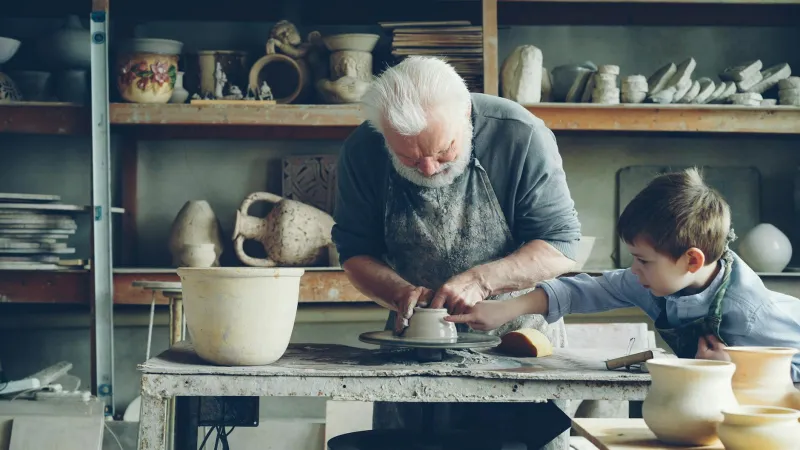
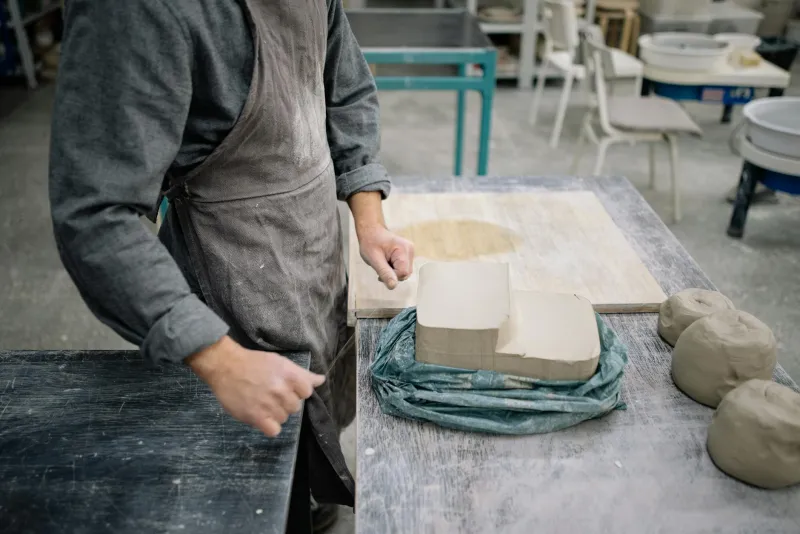
In the Scottish Highlands, potter James MacLeod has spent the past five years creating what he calls "remembrance vessels"—ceramic pieces that incorporate a tiny amount of cremation ash into the glaze. The result isn't morbid; it's transcendent. Soft grey bowls that seem to hold light, vases with depths that feel infinite.
 Photo: Scottish Highlands, via wallpapercave.com
"People think it might be sad work," James reflects, "but it's the opposite. I'm helping families create something that celebrates a life, not just marks its end."
Meanwhile, in a converted barn outside Norwich, textile artist Emma Hartwell has developed an entirely different approach to memorial making. She creates what she calls "story quilts"—pieces that incorporate fabric from a deceased person's clothing, transforming beloved garments into something new whilst preserving their emotional resonance.
"A father's work shirt becomes part of a wall hanging. A grandmother's favourite dress lives on in a cushion cover," Emma explains. "The fabric holds memories in ways that photographs simply cannot."
The Rhythm of Recovery
What strikes you most when speaking with these makers isn't the sadness you might expect, but the profound sense of purpose they've discovered. Dr. Helen Morrison, a grief counsellor who works with several memorial makers across the UK, explains why craft can be so powerful in processing loss.
"Grief is fundamentally about love with nowhere to go," she notes. "When someone creates something beautiful in memory of a person they've lost, they're giving that love a tangible form. The repetitive nature of many crafts—knitting, weaving, pottery—also creates a meditative state that can be deeply healing."
This meditative quality is something that resonates deeply with Manchester-based weaver David Thompson. After losing his partner of twenty-three years, David found himself unable to concentrate on anything except the loom in his spare bedroom. What began as a desperate attempt to quiet his racing mind evolved into something much more significant.
"I started weaving with threads in colours that reminded me of our holidays together," David recalls. "Mediterranean blues from our trips to Greece, warm oranges from Morocco, soft greens from walks in the Lake District. Each piece became a journey we'd taken together."
 Photo: Lake District, via thumbs.dreamstime.com
Beyond Beautiful Objects
What makes these memorial makers particularly special isn't just their technical skill—it's their understanding that they're creating far more than beautiful objects. They're crafting containers for memory, vessels for love, and bridges between what was and what remains.
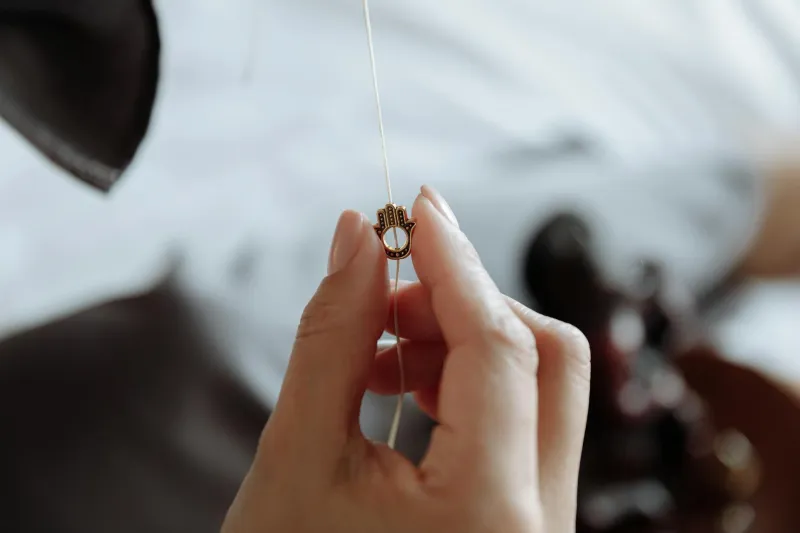
In Pembrokeshire, jeweller Anna Williams specialises in creating pendants that incorporate fingerprints. Using a process that captures the unique whorls and patterns of a person's touch, she creates silver and gold pieces that allow families to literally carry their loved ones close to their hearts.
"It's not about replacing what's been lost," Anna emphasises. "It's about creating something that honours the connection. When someone wears one of these pieces, they're carrying forward not just a memory, but a physical reminder of touch, of presence."
The Community of Comfort
Perhaps most remarkably, many of these memorial makers have discovered that their work creates unexpected communities. Sarah's knitting circle in Bath now includes three other women who've lost parents, their needles moving in synchronised comfort as they share stories and create blankets that will warm their families for generations.
"We don't always talk about our losses," Sarah notes. "Sometimes we just sit and knit together. There's something about making alongside others who understand that creates its own form of healing."
Creating Tomorrow's Heirlooms
These memorial makers are creating more than comfort objects—they're crafting tomorrow's family treasures. In decades to come, Sarah's cornflower blue blanket will carry not just the memory of her father, but the story of how love found a way to continue through the simple act of one stitch following another.
As Emma Hartwell puts it: "We're not trying to stop time or bring people back. We're helping families discover that love doesn't end with loss—it just finds new forms. Sometimes those forms have stitches. Sometimes they have handles. Sometimes they catch the light just so, and for a moment, you feel that person's presence again."
In a world that often rushes past grief, these makers are proving that some things cannot and should not be hurried. Sometimes healing happens one careful stitch at a time, one gentle curve of clay, one thoughtful choice of colour. And in that patient process of creation, something beautiful emerges—not despite the sadness, but because of the love that remains.