When Memory Becomes Colour: The Dye Artists Painting Britain's Stories in Thread
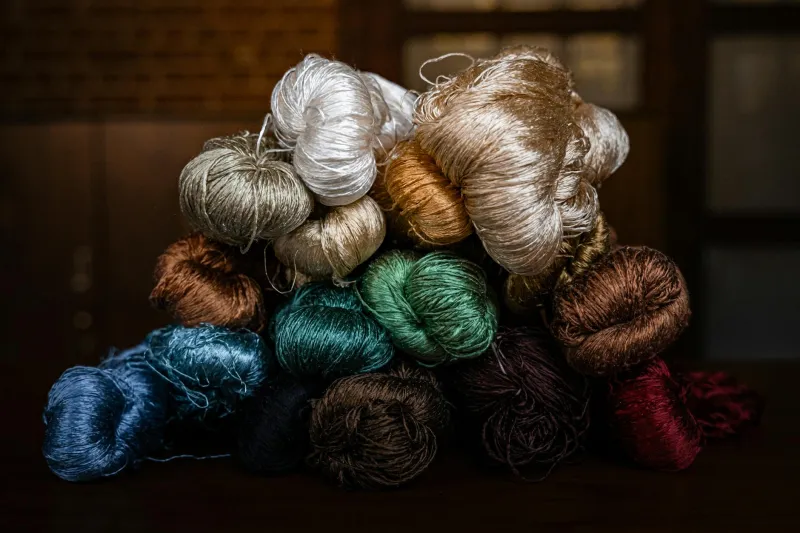
There's something almost magical about walking into Sarah Mitchell's converted barn studio in the Cotswolds. Skeins of yarn hang like watercolours from wooden beams, each one telling a story that goes far deeper than its surface beauty. The dusty rose she calls "Grandmother's Teacup" captures the exact shade of bone china that graced Sunday afternoons in her childhood. The moody grey-green named "Hebridean Morning" holds the memory of mist rolling across Scottish shores during a transformative holiday.
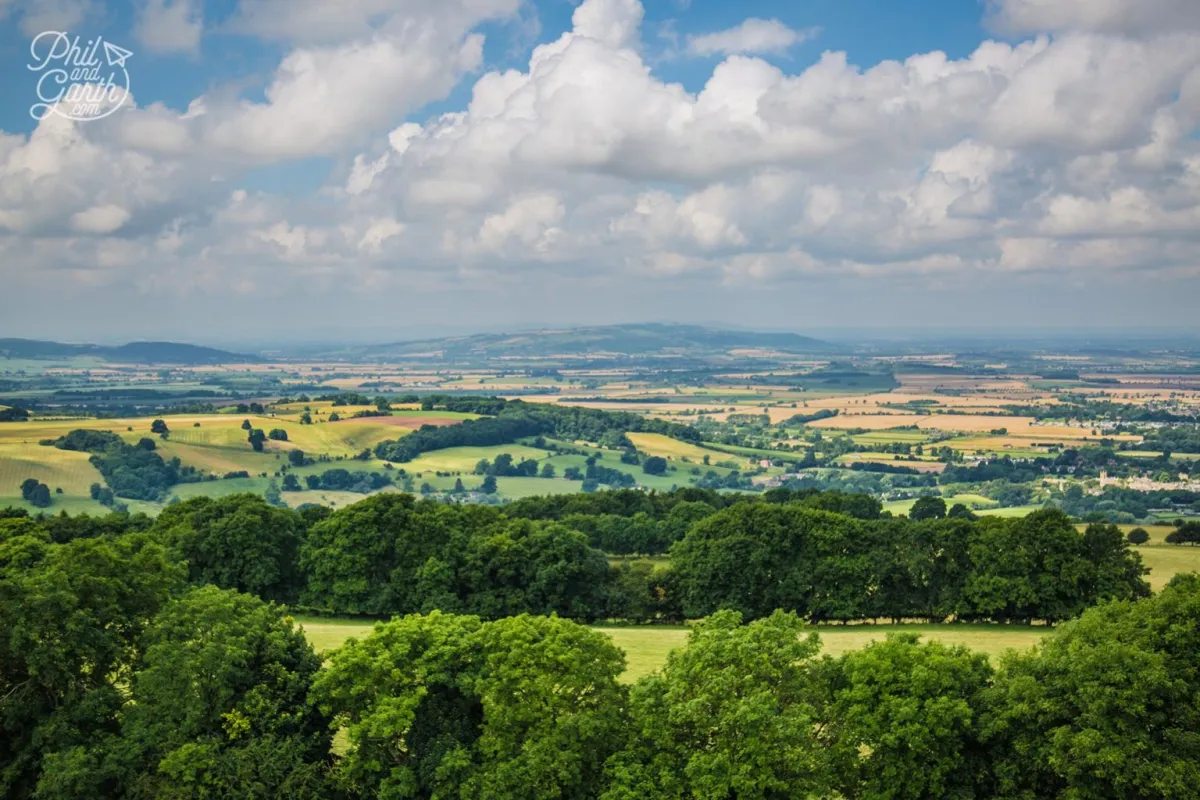 Photo: the Cotswolds, via www.philandgarth.com
This is the quiet revolution happening in Britain's independent dyeing community — where colour becomes a language of the heart.
Beyond the Pantone Predictions
While fashion houses chase the next trending shade, Britain's indie dyers are marching to an entirely different rhythm. They're not interested in what Pantone declares the colour of the year; they're fascinated by the amber glow of a childhood kitchen, the particular blue of a favourite jumper worn thin with love, or the exact shade of rust on a garden gate that's weathered decades of British rain.
"I don't dye for trends," explains Emma Hartwell, whose Manchester-based studio produces small batches of naturally dyed fibres. "I dye for feelings. When someone picks up my 'Rainy Tuesday' colourway, they're not just choosing a grey — they're choosing the comfort of being indoors with a cup of tea while the world outside is soft and quiet."
This approach is striking a chord with makers and knitters who've grown weary of mass-produced perfection. In Emma's order book, you'll find requests for "the exact green of the moss on my childhood garden wall" or "the colour of my mum's old cardigan that I can't bear to throw away."
The Poetry of Process
Watch these dyers at work, and you'll witness something that feels more like alchemy than industry. In her Derbyshire studio, textile artist Lucy Chen builds colours the way a perfumer builds fragrance — in layers, with intuition, and with deep respect for the materials themselves.
"Natural dyeing teaches you patience," Lucy reflects, stirring a vat of madder root that will eventually become her signature "Love Letter Red." "You can't rush a colour that comes from plants. The yarn takes what it needs, when it's ready. There's a conversation happening between the fibre and the dye that you learn to listen to rather than control."
This slow, mindful approach extends to every aspect of their practice. Many indie dyers grow their own dye plants, forage responsibly for materials like blackberries and elderflowers, or partner with British farms for mordants and fibres. It's a closed loop of creativity that feels worlds away from industrial textile production.
Colours That Carry Stories
Perhaps what's most remarkable about these colour creators is how they name their work. Forget "Spring Green" or "Ocean Blue" — these dyers are poets, creating colourways with names like "Sunday Afternoon Nap," "The Weight of Snow," or "Grandmother's Garden in September."
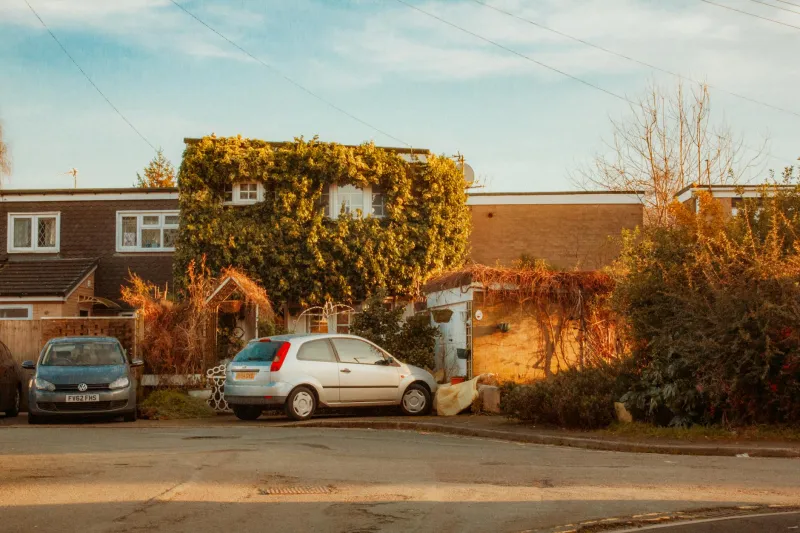
James Morrison, who dyes exclusively with plants foraged from his Yorkshire moors, explains the thinking: "When I call a colour 'Curlew's Cry,' I'm not just describing a shade of brown. I'm capturing a moment — dawn on the moors, the sound echoing across empty landscape, the feeling of being completely alone but completely connected to something ancient."
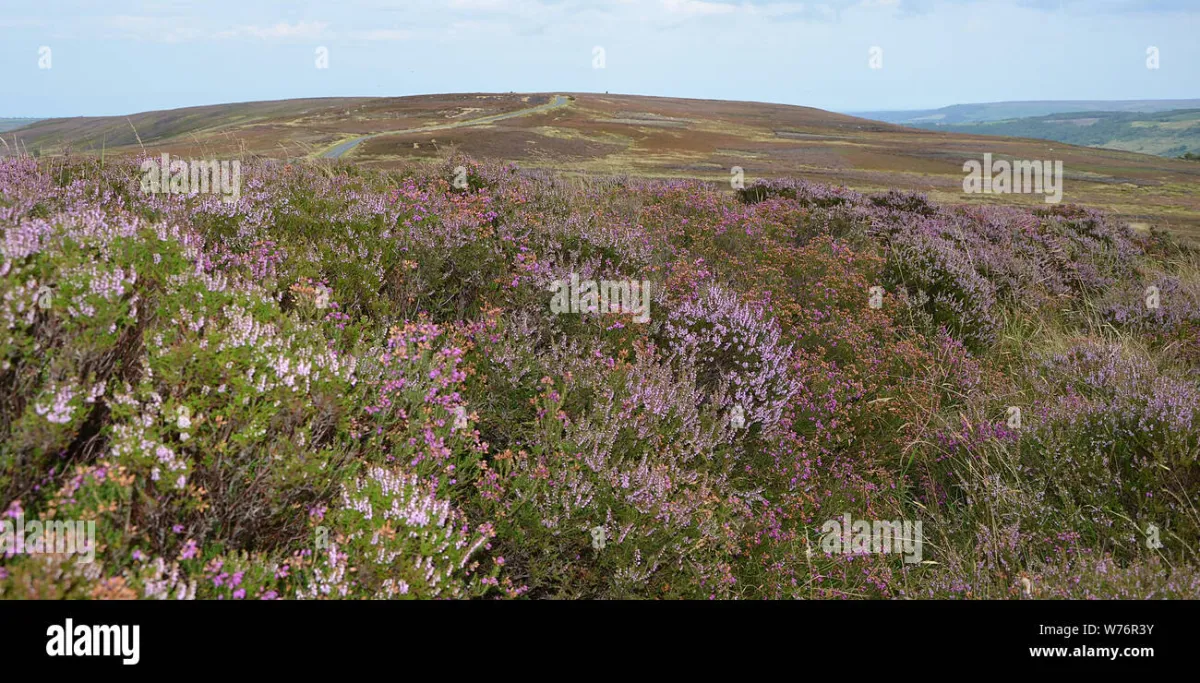 Photo: Yorkshire moors, via c8.alamy.com
These names aren't marketing gimmicks; they're invitations to emotional connection. When a knitter chooses "Fireside Stories" wool for a winter jumper, they're wrapping themselves not just in warmth, but in the feeling the colour evokes.
The Makers Who Choose Memory
The customers drawn to these indie dyers represent a growing movement of makers who value emotional resonance over trending palettes. They're willing to wait months for a custom colour that perfectly captures the shade of their childhood bedroom, or the exact blue-green of a sea that holds special meaning.
"My customers aren't just buying yarn," notes Sarah from her Cotswolds studio. "They're commissioning colours that will become part of their family story. The baby blanket knitted in 'First Light' yellow, the wedding shawl in 'Promise' cream — these pieces carry meaning that goes far beyond their physical beauty."
This shift towards meaningful colour choices reflects broader changes in how we think about consumption and creativity. In a world of fast fashion and disposable goods, choosing a colour with personal significance becomes an act of intention, of slowing down, of creating something that matters.
Where Heart Meets Hue
As Britain's indie dyeing community continues to grow, they're not just changing how we think about colour — they're changing how we think about the stories our handmade pieces tell. Every skein carries the dyer's knowledge, the maker's intention, and the wearer's memory, creating a chain of connection that spans from plant to person.
In Sarah's barn studio, surrounded by colours that hold decades of British stories, she puts it simply: "When you choose a colour because it reminds you of home, every stitch becomes an act of love. And isn't that what making should be about?"
The next time you hold a skein of hand-dyed yarn, remember — you're not just choosing a colour. You're choosing to wrap yourself in someone's memory, to carry their story forward in your own making, and to add another chapter to the beautiful, ongoing tale of British craft.