When Wool Has a Postcode: The Beautiful Bond Between Makers and Britain's Small Shepherds
There's something magical about holding a skein of wool and knowing exactly which field it came from. Sarah Jenkins discovered this when she first visited Hillside Farm in the Cotswolds, watching lambs gambol in the morning mist whilst their mothers grazed peacefully nearby. Six months later, those very sheep would provide the fleece for Sarah's first farm-direct cardigan—a garment that carries not just warmth, but the essence of that perfect spring morning.
The Personal Touch That Changes Everything
Across Britain, makers like Sarah are stepping away from the anonymity of craft shop yarn aisles, choosing instead to forge direct relationships with the shepherds who tend the flocks. It's a movement that's transforming how we think about our materials, turning every project into a story of place, people, and purpose.
"When I knit with wool from our local farm, I'm not just making a jumper," explains Emma Richardson, a textile artist from the Lake District. "I'm weaving together the landscape I love, supporting my neighbours, and creating something that truly belongs here." Emma sources her wool from three farms within cycling distance of her studio, each offering distinct characteristics shaped by their unique terroir.
This farm-to-needle approach offers something that mass-produced yarn simply cannot: provenance with personality. Every skein comes with its own biography—the breed of sheep, the season it was shorn, the particular patch of British countryside where those sheep spent their days.
Meeting Britain's Wool Heroes
From the windswept hills of Scotland to the rolling downs of Sussex, small shepherds are opening their farm gates to welcome makers seeking that deeper connection. Take Morag MacLeod, whose Highland sheep farm on the Isle of Skye has become a pilgrimage site for knitters drawn to the hardy Hebridean fleeces that carry the salt tang of sea air in their very fibres.
"Each fleece tells the story of our landscape," Morag explains, her hands gentle as she handles the wool. "The sheep graze on heather and sea grass, and you can feel that wildness in the finished yarn. It's not just wool—it's the essence of Skye itself."
Down in Devon, the Hartwell family has turned their mixed farm into a maker's paradise, offering everything from the creamy white fleeces of their Romney flock to the rich brown wool of their rare-breed Shetlands. Their farm shop has become a gathering place where knitters swap patterns whilst choosing their materials, building community around shared passion.
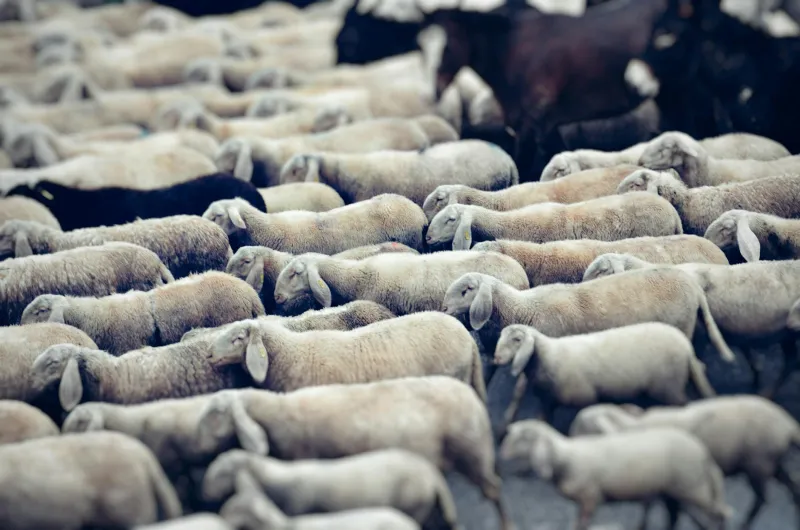
Wales offers its own treasures through farms like Bryn Mawr, where the Thomas family has been perfecting their flock for three generations. Their Welsh Mountain sheep produce wool with a distinctive bounce and lustre that reflects the mineral-rich soil of their Brecon Beacons pastures. "You can't replicate this in a factory," says Dai Thomas, watching his sheep dot the hillside like living sculptures. "This wool carries the DNA of our mountains."
The Sensory Journey from Fleece to Finished
There's an almost meditative quality to working with farm-direct wool. The fleece arrives still carrying hints of its pastoral origins—the faint scent of meadow flowers, the occasional blade of grass caught in the fibres. Processing becomes a mindful practice, each stage connecting the maker more deeply to the source.
Many crafters describe the tactile pleasure of working with wool that hasn't been over-processed or chemically treated. The natural lanolin content means softer hands after long knitting sessions, whilst the varying thickness and character of the fibres create textures impossible to achieve with standardised yarn.
"There's an honesty to farm wool that speaks to your hands," reflects textile designer Clara Pemberton, who sources exclusively from British farms for her luxury accessories line. "Every slight variation tells a story—perhaps this section came from a younger sheep, or this bit shows where the flock sheltered during a particularly wet spell. These aren't flaws; they're biography."
Building Bridges, One Skein at a Time
The relationships formed between makers and shepherds often extend far beyond simple transactions. Many crafters speak of becoming invested in the welfare of "their" flocks, following the seasons through social media updates and even volunteering during lambing time.
This connection works both ways. Farmers like the Hendersons of Northumberland describe how direct sales to makers have not only improved their financial sustainability but also given them new appreciation for their product. "Seeing someone's face light up when they feel our wool for the first time—that reminds us why we do this work," says Janet Henderson.
The Ripple Effect of Conscious Choosing
Choosing farm-direct wool creates ripples that extend far beyond the individual project. It supports rural communities, preserves traditional breeds, and maintains grazing patterns that shape our beloved British landscapes. When makers choose local wool, they're voting for a future where small farms remain viable and our countryside retains its character.
The environmental benefits are equally compelling. Wool that travels from a nearby farm to your needles carries a fraction of the carbon footprint of imported alternatives, whilst supporting farming practices that work with nature rather than against it.
Where Hearts and Hands Meet
In a world of increasing digitalisation, there's profound comfort in materials that connect us to the earth and to each other. Farm-direct wool offers something precious: the knowledge that your creativity is rooted in real places, tended by real people who care deeply about their craft.
As Sarah Jenkins discovered that morning in the Cotswolds, when wool has a postcode—when you know the field, the farmer, and the flock—every stitch becomes an act of love. Not just love for the craft, but love for the land, the animals, and the quiet heroes who tend them both.
In choosing farm-direct wool, we're not just making beautiful things. We're weaving ourselves back into the fabric of Britain itself, one precious skein at a time.